Thinking about life in Fletcher, NC? If you want a town that feels practical, connected, and easy to settle into, Fletcher deserves a closer look. Whether you are relocating, buying your first home in the area, or searching for a lower-maintenance option near Asheville and Hendersonville, understanding the daily rhythm and housing mix can help you make a more confident move. Let’s dive in.
Why Fletcher Stands Out
Fletcher offers a small-town setting with everyday convenience built in. The town has an estimated 8,373 residents in 2025 across 6.4 square miles, which gives it a compact feel without the pace of a dense urban area. It also sits in a practical location in Henderson County, about 13 miles south of Asheville and roughly midway between Asheville and Hendersonville.
That location shapes daily life in a big way. US 25 runs through the center of town, I-26 is just to the west, and State Route 280 enters from the west. Asheville Regional Airport is also just west of town, which can be a real advantage if you travel often or expect out-of-town visitors.
Everyday Convenience in Fletcher
One of Fletcher’s biggest lifestyle strengths is how easy it is to get around and handle the basics. Census data shows a mean travel time to work of 23.7 minutes, which suggests many residents can keep commuting manageable. There is also a local bus connection between Fletcher and Hendersonville.
For day-to-day living, the town’s new-resident information points you toward practical services like sanitation and recycling, brush and leaf pickup, utility contacts, parks, events, and the public library. The Fletcher Library branch is located at 120 Library Road and offers Monday through Saturday hours. For many buyers, that kind of built-in infrastructure matters just as much as the house itself.
Fletcher Works Well for Remote Living
If you work from home full time or part time, Fletcher checks an important box. Census data reports that 97.9% of households have a computer and 92.1% have broadband service. That level of digital access can make a small-town address feel a lot more workable for remote or hybrid schedules.
This is one reason Fletcher often appeals to relocators. You can enjoy a quieter setting while still staying connected for work, school, or daily household tasks. In a market where lifestyle and flexibility often go hand in hand, that balance matters.
Parks and Recreation Shape Daily Life
Fletcher’s community rhythm leans strongly toward outdoor access and casual gathering spaces. The town maintains two municipal parks, Bill Moore Community Park and Kate’s & Pete’s Park. Together, they add a lot of value to everyday life without requiring a long drive or a big weekend plan.
Bill Moore Community Park is the larger anchor for outdoor recreation. According to the town, it includes miles of scenic walking trails, Cane Creek access, five baseball and softball fields, three multi-purpose fields, a playground, a fitness circuit, an arboretum garden, a dog park, and a 9-hole disc golf course.
Kate’s & Pete’s Park offers a smaller-scale option next to the Fletcher Library. It includes a playground, paved walking path, picnic shelter, and open green space. For buyers who want simple outdoor access close to home, that kind of neighborhood-level amenity can be a real plus.
Community Events Add Local Rhythm
Fletcher also supports year-round recreation programs and events. The parks department lists events and programs such as Fletcher Christmas in the Park, the Father-Daughter Dance, weekly summer farmers markets, and Fletcher Summer Day Camp. These are the kinds of recurring activities that help a town feel active and connected.
The town’s planning and business materials also emphasize trails, sidewalks, greenways, and a more connected future. The Heart of Fletcher area is planned to link with greenways and parks, alongside a mixed-use downtown business district with small businesses, professional space, retail, and restaurants. For buyers looking beyond just today’s map, that long-term direction is worth noting.
What Housing Looks Like in Fletcher
Fletcher’s housing pattern is not one-size-fits-all, but it does have a clear center of gravity. The town’s land-use plan shows that single-family detached housing has long been the dominant residential category. In its 2012 land-use snapshot, single-family detached land totaled 1,130.41 acres compared with 88.22 acres of attached or multi-family land.
That difference helps explain why much of Fletcher feels established and residential. Census data also shows an owner-occupied rate of 85.3%, which supports the idea of a stable, primarily owner-occupied housing base. For many buyers, that translates into a more settled feel across much of town.
Detached Homes Remain the Main Option
If you picture Fletcher as a place with many single-family neighborhoods, that aligns with the town’s land-use history. The plan notes that more than 550 acres were added to residential use since 1993. Examples of single-family detached developments identified in the plan include Windsor Forest, Livingston Farms, and St. John’s Woods.
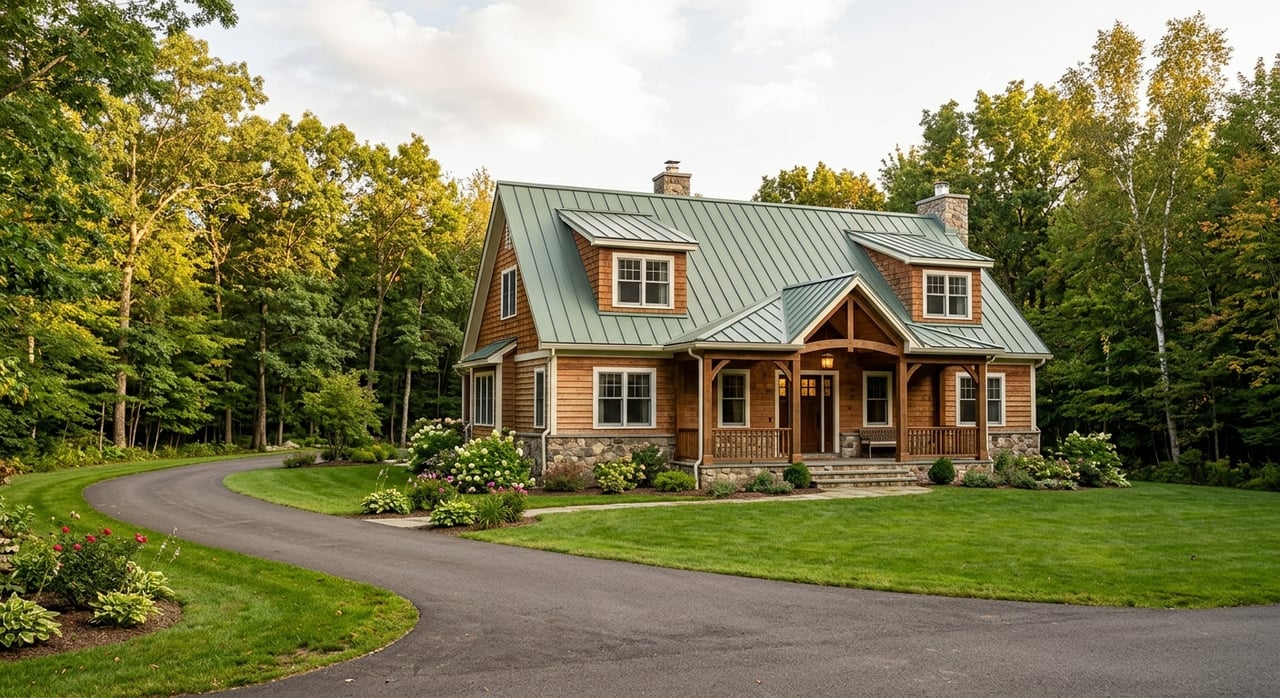
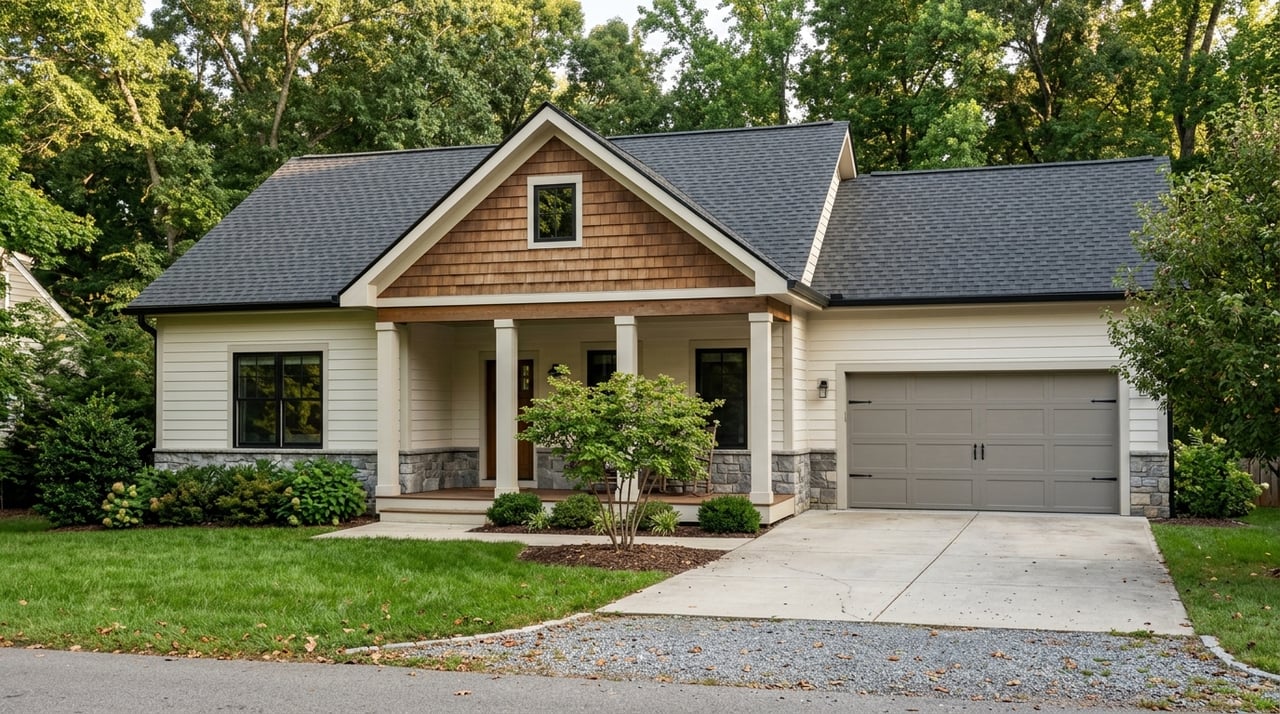
For buyers, detached housing often means more private outdoor space, a traditional neighborhood setting, and a wider range of home styles. If yard space and a more established residential feel are high on your list, Fletcher has a strong foundation in that category.
Attached and Lower-Maintenance Options Exist Too
Fletcher is not limited to detached homes. The town updated its land-use strategy in 2018 to better manage higher-density residential development, especially in the central part of town. That means buyers looking for lower-maintenance living may also find options that fit their goals.
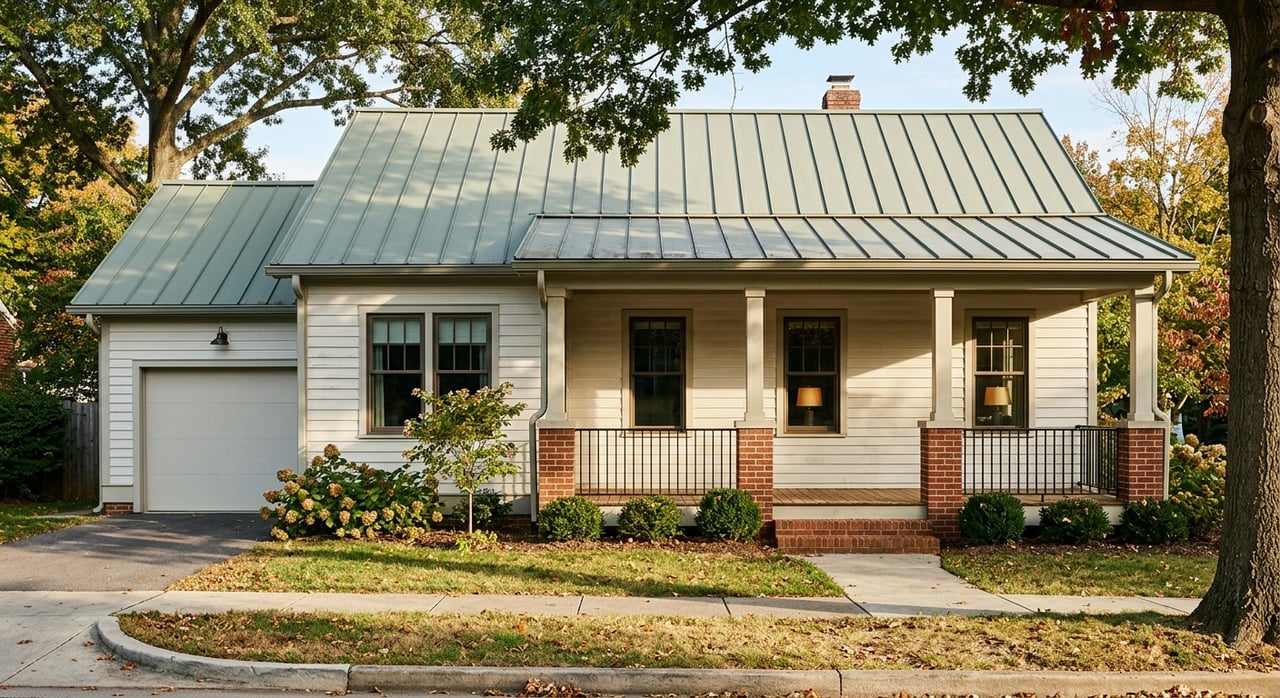
The land-use plan names attached or multi-family developments such as Brickton Village, Townes at Connor Creek, and Village at Windstone. These kinds of homes can appeal to buyers who want less exterior upkeep or easier access to the center of town.
How Different Parts of Fletcher May Fit You
Location within Fletcher can shape your experience just as much as the home itself. The town’s plan calls for low-density, single-family development west of US 25 and higher-density residential development in the center of town. That creates some meaningful differences in feel and housing type depending on where you search.
The Hooper’s Creek area is described in the plan as remaining largely rural and agricultural. If you prefer more space and a less suburban setting, edge-of-town areas may feel like a better fit. If you want a location closer to planned town-center activity, the central corridor may stand out more.
Broad Housing Lifestyles in Fletcher
Here is a simple way to think about Fletcher’s housing mix:
- Established detached neighborhoods may suit buyers who want a settled, owner-occupied feel and more yard space.
- Attached or closer-in options may work well if you want lower-maintenance living and easier access to the town core.
- Edge-of-town areas may appeal if you prefer more space and a quieter, less suburban setting.
That does not mean every home or block feels the same. It does mean Fletcher gives you a few distinct lifestyle paths within one relatively compact town.
Key Numbers to Know
A few town and census figures help put Fletcher into perspective:
| Topic | Fletcher Snapshot |
|---|---|
| Population | 8,373 estimated residents in 2025 |
| Town Size | 6.4 square miles |
| Households | 3,372 |
| Persons per Household | 2.38 |
| Owner-Occupied Rate | 85.3% |
| Median Owner-Occupied Home Value | $331,100 |
| Median Gross Rent | $1,484 |
| Mean Travel Time to Work | 23.7 minutes |
| Households with Broadband | 92.1% |
These numbers do not tell the whole story, but they do offer a useful baseline. They point to a town with strong homeownership, practical connectivity, and a size that feels manageable for many buyers.
Is Fletcher a Good Fit for You?
Fletcher can make sense if you want a town that feels grounded and convenient. The road access is strong, the airport is close, and the mix of parks, library access, community events, and digital connectivity supports daily life well. You are not choosing between total quiet and total convenience. In many ways, Fletcher sits in the middle.
It may be especially appealing if you want to stay close to Asheville and Hendersonville while living in a smaller-town setting. It can also work well if you are comparing detached neighborhoods, attached homes, or edge-of-town areas and want a range of lifestyle options in one market.
If you are exploring Fletcher and want help narrowing down which part of town best matches your goals, Caroline Easley can help you compare neighborhoods, housing styles, and day-to-day fit with a local, relationship-first approach.
FAQs
What is everyday life like in Fletcher, NC?
- Everyday life in Fletcher centers on practical convenience, with access to major roads, the airport, parks, library services, community events, and a mix of residential areas in a compact small-town setting.
What types of homes are common in Fletcher, NC?
- Fletcher is primarily known for single-family detached housing, though attached and multi-family options also exist, especially closer to the center of town.
Is Fletcher, NC good for remote workers?
- Fletcher can be a practical choice for remote or hybrid workers because census data shows high computer access and broadband availability across households.
Are there parks and outdoor amenities in Fletcher, NC?
- Fletcher has two municipal parks, Bill Moore Community Park and Kate’s & Pete’s Park, with amenities that include trails, playgrounds, fields, a dog park, disc golf, and picnic areas.
How far is Fletcher, NC from Asheville?
- The town’s information page places Fletcher about 13 miles south of Asheville, with US 25 through town and I-26 to the west.
What parts of Fletcher, NC offer different housing lifestyles?
- West of US 25 is generally planned for lower-density single-family development, the center of town includes higher-density residential areas, and the Hooper’s Creek area is described as more rural and agricultural.