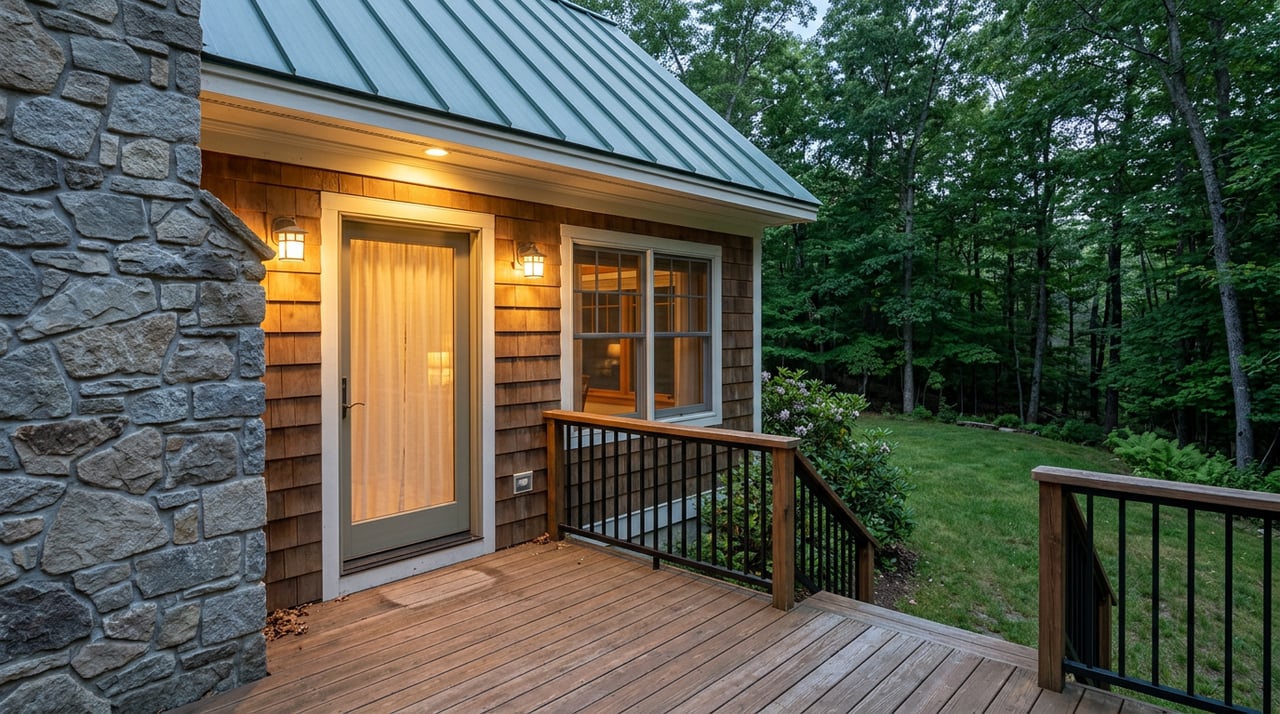
Picturing cool mornings on a mountain porch, waterfall hikes a few minutes away, and a home that pays for part of itself when you are not there? You are not alone. Brevard’s second‑home scene blends outdoor lifestyle with a steady tourism draw, which makes it a favorite for both pure retreats and part‑time rentals. In this guide, you will learn what homes cost, how the short‑term rental rules work, when demand spikes, and the smart steps to buy with confidence. Let’s dive in.
Brevard market at a glance
- Typical home values sit in the mid‑$400Ks to high‑$500Ks, depending on source and date. Zillow’s ZHVI showed about $453,779 as of January 31, 2026, while December 2025 median list prices reported by another publisher were closer to $598,575. Expect variation by neighborhood and property type.
- Short‑term rentals are a visible but modest slice of the housing stock. A local task force cites an analysis that STRs account for roughly 5–6% of total housing units in Transylvania County. You will still want to confirm rules for the exact address. City STR Task Force summary
- The STR performance picture is solid, not strictly year‑round. AirDNA’s Brevard overview shows about 521 active listings, with occupancy around 53%, an average daily rate near $229.60, and roughly $30.2K in annual revenue per listing. These are gross averages before fees and expenses. AirDNA Brevard overview
- Why people choose Brevard: it is a gateway to Pisgah National Forest and the Blue Ridge, known as the Land of Waterfalls and a summer magnet for hikers, families, and music lovers. Visitor profile and outdoor draws
What you can buy
Mountain cabins and log homes
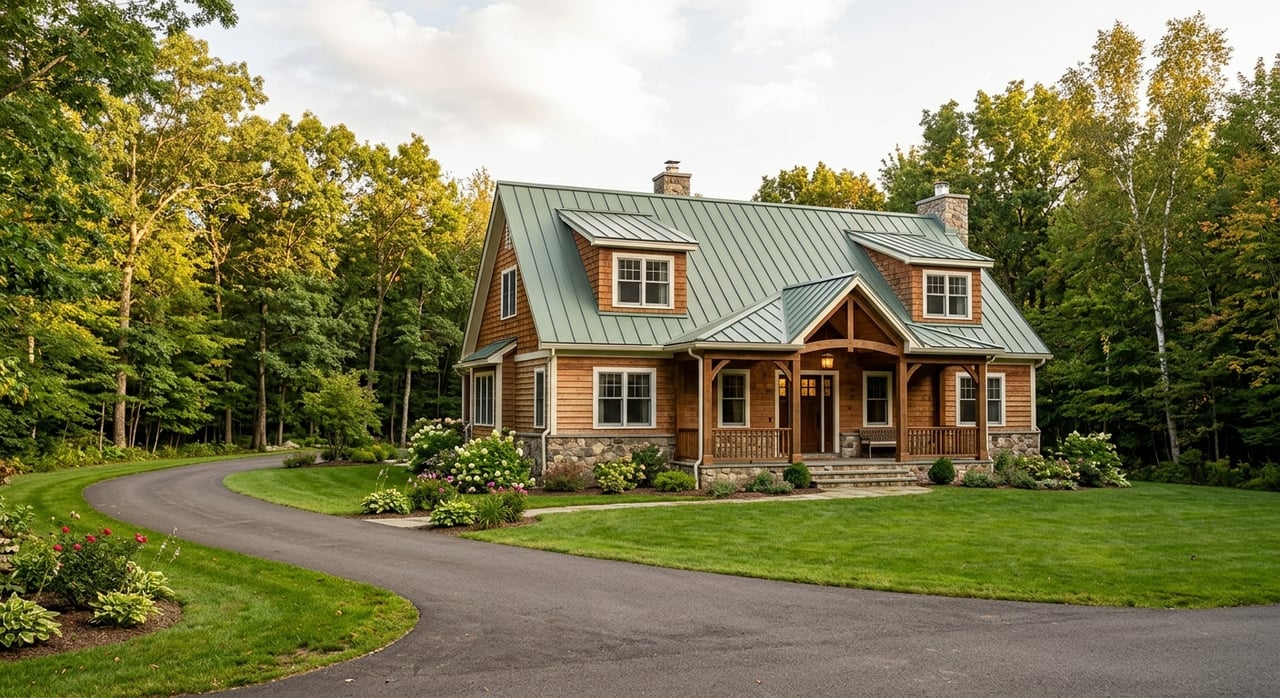
If your priority is trail access and quiet, a rustic cabin near Pisgah can be a great fit. Smaller 1 to 3 bedroom cabins often sit at the lower end of local pricing, with condition, road access, and utilities driving value. Buyers who love a tucked‑away feel and easy drives to waterfalls tend to gravitate here.
Downtown cottages and craftsman homes
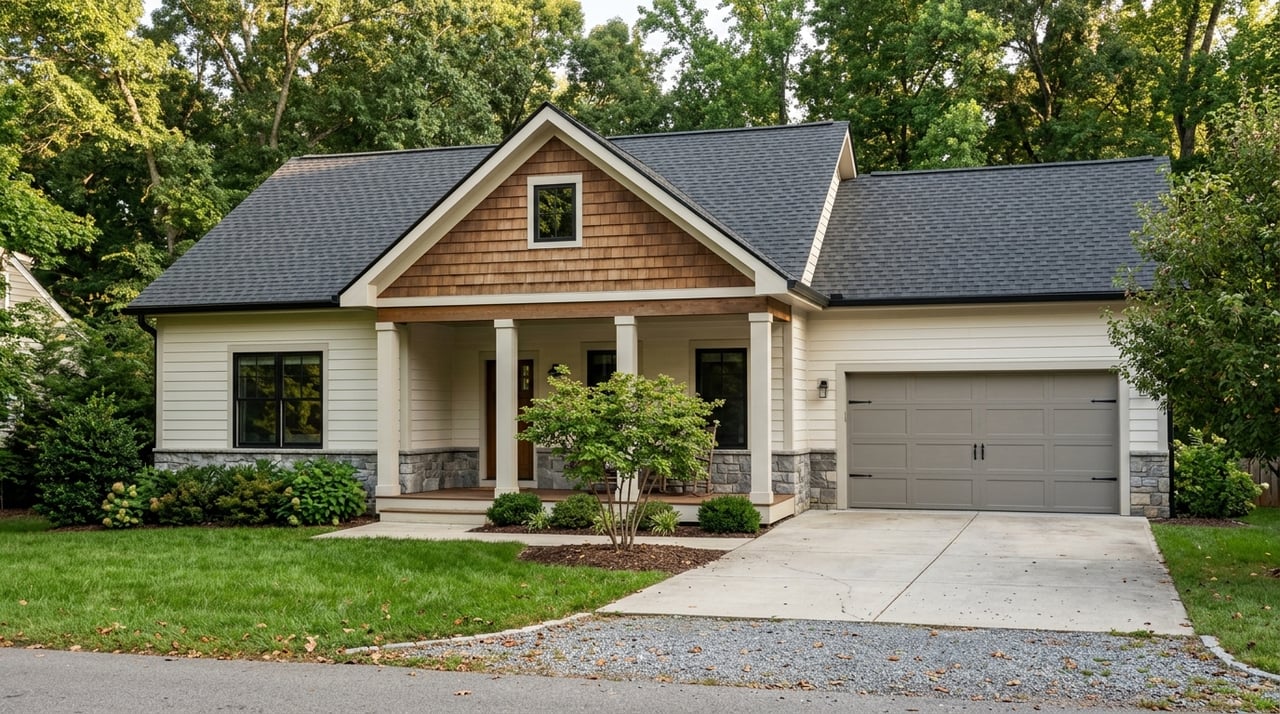
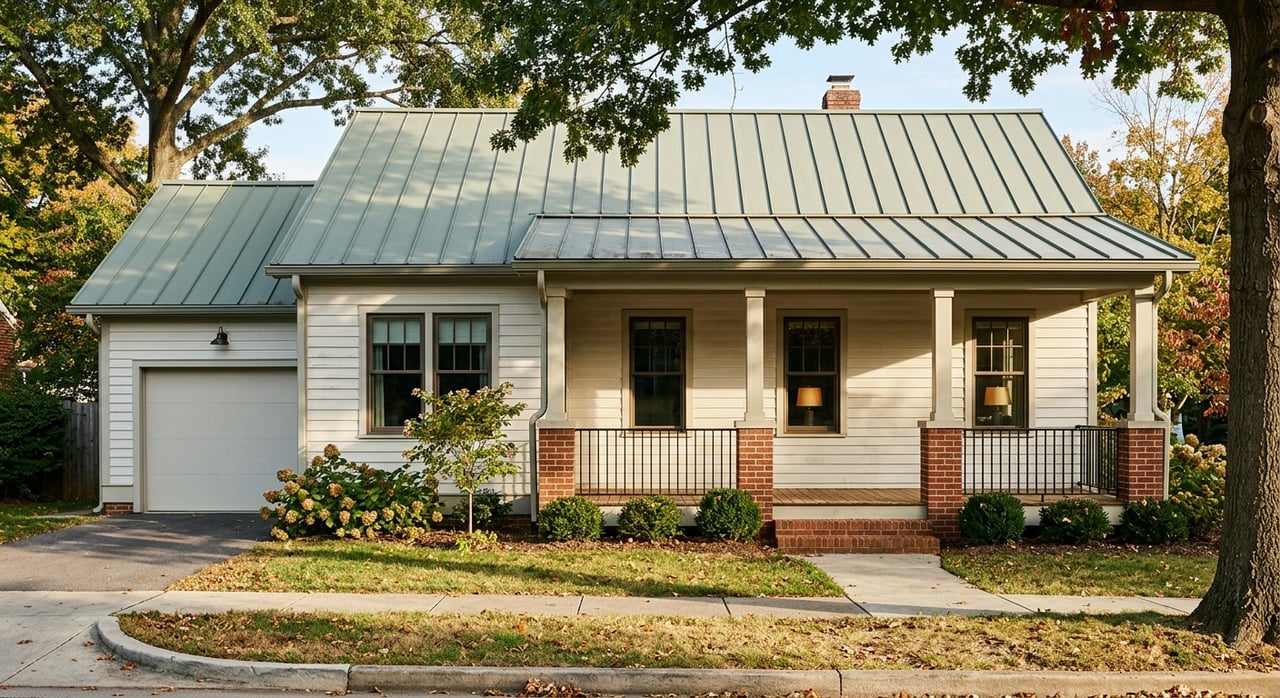
Want to park the car and stroll to restaurants, shops, and music venues? Renovated cottages and craftsman‑style homes near Main Street appeal if you value walkability and simple upkeep. Many second‑home owners use these as personal bases during summer and fall, then offer occasional short stays when they are away.
Gated or amenity‑rich communities
Master‑planned neighborhoods like Connestee Falls offer lakes, golf, trails, and a clubhouse in a lock‑and‑leave setup. Price points span from the mid market into seven figures depending on lot, view, and finishes. These communities often provide clearer rules and strong resale liquidity.
Larger mountain estates
If you want acreage, privacy, and big views, you will find higher‑end homes on ridgelines and private tracts. These properties market as lifestyle retreats first, with rental potential varying by access, parking, and guest‑friendly features.
When demand peaks
Brevard’s booking calendar follows the seasons. Late spring brings strong waterfall flows and hiking. Summer is busy with family vacations, sliding at Sliding Rock, and a multi‑week classical festival that fills downtown lodging. Brevard Music Center’s summer season
Fall leaf‑peeping is the blockbuster, especially October weekends. Winter is quieter, which means owners often lean on shoulder‑season pricing to keep calendars active. AirDNA’s seasonality confirms stronger occupancy and higher nightly rates in spring, summer, and fall. AirDNA seasonality view
If you plan to rent as a short‑term rental
- Location matters. Proximity to Pisgah trailheads, waterfalls, and downtown dining tends to lift occupancy and average nightly rates. Downtown‑walkable homes and well‑placed cabins usually outperform more remote properties with steep access.
- Gross vs. net. The AirDNA figures above are market averages before fees and expenses. Your net depends on cleaning, maintenance, supplies, utilities, management, insurance, and taxes. Full‑service STR managers in resort markets often charge about 15% to 35% of gross revenue, with lighter‑service models at lower rates. Compare scope, not just fees.
- Calendar strategy. Concentrate your pricing on spring, summer, and fall peaks, then use thoughtful discounts mid‑week or in shoulder months. Events and festival dates help fill gaps.
Key STR rules in the City of Brevard
The City updated short‑term rental standards in 2023. If STR income is part of your plan, review the ordinance before you write an offer. City STR ordinance text
- Definition. An STR is a private residential property rented for fewer than 30 days, with host‑absent and host‑present uses treated differently.
- Where allowed. New STRs are not permitted in the General Residential zoning district. Existing STRs in GR at adoption were grandfathered and may continue as nonconforming uses. New STRs may be allowed in specified mixed‑use and corridor districts, subject to standards.
- Occupancy limit. The cap is two persons per bedroom plus two additional persons. Bedroom count follows tax records.
- Appearance and signage. STRs must maintain a residential look with no exterior signage. A zoning permit or notification is required to verify compliance.
Tip: Always verify the exact parcel’s zoning and whether a proposed use is permitted, permitted with standards, or grandfathered.
Taxes and filings you should know
- County lodging tax. Transylvania County levies a 5% room occupancy tax on short stays. This is separate from state sales tax. Hosts are responsible for collecting and remitting as required. County lodging tax ordinance
- Remittance and accounts. The County Tax Administration offers online remittance and an occupancy tax return form. Confirm your account setup for on‑time filings. The office also notes the 2025 property reappraisal schedule, which can affect assessed values. Tax Administration and remittance info
- Marketplace facilitator. North Carolina law requires certain large platforms that meet thresholds to collect and remit state sales tax on marketplace transactions. Even so, you should confirm whether your platform covers local occupancy tax or if you must file it directly. When in doubt, register with the state and county or use a filing service. NC Session Law 2019‑246
Financing a second home vs. an investment property
Lenders treat second homes and investment properties differently. If you plan to use the home yourself part of the year, a second‑home loan may fit, often at about 10% down with required cash reserves. If full‑time renting is the intent, lenders typically classify the loan as an investment product with higher down payments, higher rates, and additional reserves.
Talk to multiple lenders early and be clear about intended use. Misrepresenting occupancy on a loan application carries serious consequences. Pre‑approval for the right product saves time and headaches.
Mountain due diligence that pays off
- Septic and wells. Many homes rely on onsite wastewater systems and private wells. Pull the septic permit, pump‑out history, and any maintenance plans, especially for alternative systems. Get a well test where applicable. State guidance outlines what proper maintenance and documentation should look like. Septic system guidance
- Flood and storm risk. Some low‑lying or creek‑adjacent areas can see flash flooding. Check FEMA maps, review local floodplain resources, and budget for flood insurance if the property is in or near a mapped flood zone. Know your flood risk in Brevard
- Insurance. Ask for written quotes that include STR endorsements if you plan to host guests. Confirm liability coverage, wildfire or tree‑damage considerations, and any special mountain‑home riders.
- Access and parking. Evaluate driveway grade, winter access, turning space, and guest parking rules. The city regulates signage and lighting for STRs, so plan guest instructions accordingly.
HOAs and community policies
Many desirable subdivisions use HOA covenants that shape rental use. Minimum stay lengths, amenity access, guest passes, and quiet hours can make or break your plan. Before you offer, request the full set of covenants, current rules, any proposed changes, and a fee or assessment history. Verify that short‑term rental use is permitted and learn the process for amenity cards if you intend to share facilities with guests.
Your 10‑step buyer checklist
- Verify zoning and permitted uses for the exact parcel, including whether an STR would be a grandfathered use in GR. Review the City STR ordinance
- Confirm local lodging tax obligations and whether your booking platform remits any taxes for you. Register with Transylvania County if required. County lodging tax details
- Order a septic inspection, pull the permit file, and test the well if present. State septic guidance
- Run property‑specific STR comps and stress‑test revenue by season. Factor in management fees, cleanings, supplies, utilities, and vacancy. AirDNA market overview
- Get insurance quotes that include homeowner’s, liability, and flood if the property is in or near a floodplain. Local flood resources
- Confirm parking capacity, driveway grade, winter access, and any city or HOA rules about guest parking, signage, and lighting.
- Speak with lenders about the correct loan type and reserve requirements for a second home or an investment property.
- Review the county’s reappraisal timing and check current assessed value and tax rate so you can budget for changes. Tax Administration info
- If you want a manager, compare full‑service versus limited‑service models, request sample contracts, and ask for local references.
- Read HOA covenants and rental policies in full, including amenity card procedures and any minimum stay rules.
Thinking about a Brevard cabin, a downtown cottage, or a lock‑and‑leave in an amenity community? Our boutique team coordinates previews, video tours, inspections, and post‑close support so you can enjoy the mountains without the hassle. Reach out to Jarett Gates & Caroline Easley to start a tailored second‑home search.
FAQs
What should I budget for a Brevard vacation home in 2026?
- Recent snapshots show typical values around the mid‑$400Ks, with median list prices closer to the high‑$500Ks. Prices vary by location, condition, access, and amenities.
How profitable are Brevard short‑term rentals on average?
- AirDNA reports about 53% occupancy, an ADR near $229.60, and roughly $30.2K in annual revenue per listing. Your results will depend on location, calendar strategy, and expenses.
Where are short‑term rentals allowed inside the City of Brevard?
- New STRs are not allowed in the General Residential district. They may be permitted in certain mixed‑use and corridor districts, and some GR properties are grandfathered. Always verify zoning for the specific address.
What is the maximum overnight occupancy for a City of Brevard STR?
- The cap is two persons per bedroom plus two additional persons, with bedroom count based on tax records.
What lodging taxes apply to short stays in Transylvania County?
- The county levies a 5% room occupancy tax in addition to state sales tax. Confirm whether your booking platform remits any taxes for you and register to file if needed.
What inspections should I order for a mountain home with a septic system?
- Get a septic inspection, pull the original permit, confirm maintenance history, and test the well if present. Ask for clarification on any alternative systems and required management plans.
How does seasonality affect bookings in Brevard?
- Spring, summer, and fall weekends are the strongest due to outdoor recreation and events like the Brevard Music Center festival. Winter is slower, so pricing and minimum stays often adjust.