Thinking about trading city pace for mountain views and a true small‑town feel, without giving up quick access to Asheville? If so, Weaverville might be exactly what you’re looking for. You get a walkable Main Street, parks, and trail access, plus an easy drive into the city for work, dining, and healthcare. In this guide, you’ll learn how living and buying in Weaverville actually works, from commute times and schools to price points, taxes, utilities, and how to purchase from out of town. Let’s dive in.
Why Weaverville appeals
Small town next to Asheville
Weaverville is an incorporated town just north of Asheville with a 2020 Census population of 4,567, and local estimates near 5,000. Its location along I‑26/US‑19/23 puts you about 9 miles from downtown Asheville, often a 10 to 20 minute drive depending on traffic and start point. If you want mountain‑town life with city access, that proximity is a major perk. Learn more about the town’s setting and scale on the Weaverville page at Wikipedia.
Downtown, parks, and community vibe
Main Street is compact and walkable with independent cafes, bakeries, galleries, and seasonal events. Lake Louise Park is a local favorite with trails and picnic areas, and the town’s recreation department keeps a steady calendar of community programming. You can preview parks, events, and civic resources on the Town of Weaverville’s official site.
Outdoor access within minutes
Buyers are drawn to Weaverville for quick access to hiking, cycling, and scenic drives. Trailheads and the Blue Ridge Parkway are reachable in a short drive, and the Reems Creek area offers popular local recreation. If outdoor time is part of your daily rhythm, that close‑in access can be a deciding factor. The town outlines local lifestyle highlights on its about Weaverville page.
Healthcare snapshot
For advanced or hospital‑based care, Mission Hospital in Asheville serves as the region’s primary medical center. Regional reporting has also covered a proposed AdventHealth hospital in Weaverville, which, according to late‑2025 legal developments, was permitted to proceed following litigation updates. Because construction timelines and services can change, keep an eye on regional reporting like this overview from Carolina Public Press and the archived coverage of the AdventHealth project’s legal path.
Schools and public services
Public schools overview
Weaverville is served by Buncombe County Schools. Depending on your address, local schools include Weaverville Primary, Weaverville Elementary, North Windy Ridge Intermediate, North Buncombe Middle, and North Buncombe High. Always confirm current school assignments for a specific property with the district’s resources. Start with the Buncombe County Schools directory.
Town services and utilities
Town Hall oversees public works, water and sewer, library services, and community programs. The town emphasizes water quality and has earned recognition for treatment performance in recent years. For utility setup and forms, visit the Town of Weaverville’s website.
Housing and market basics
What you can buy
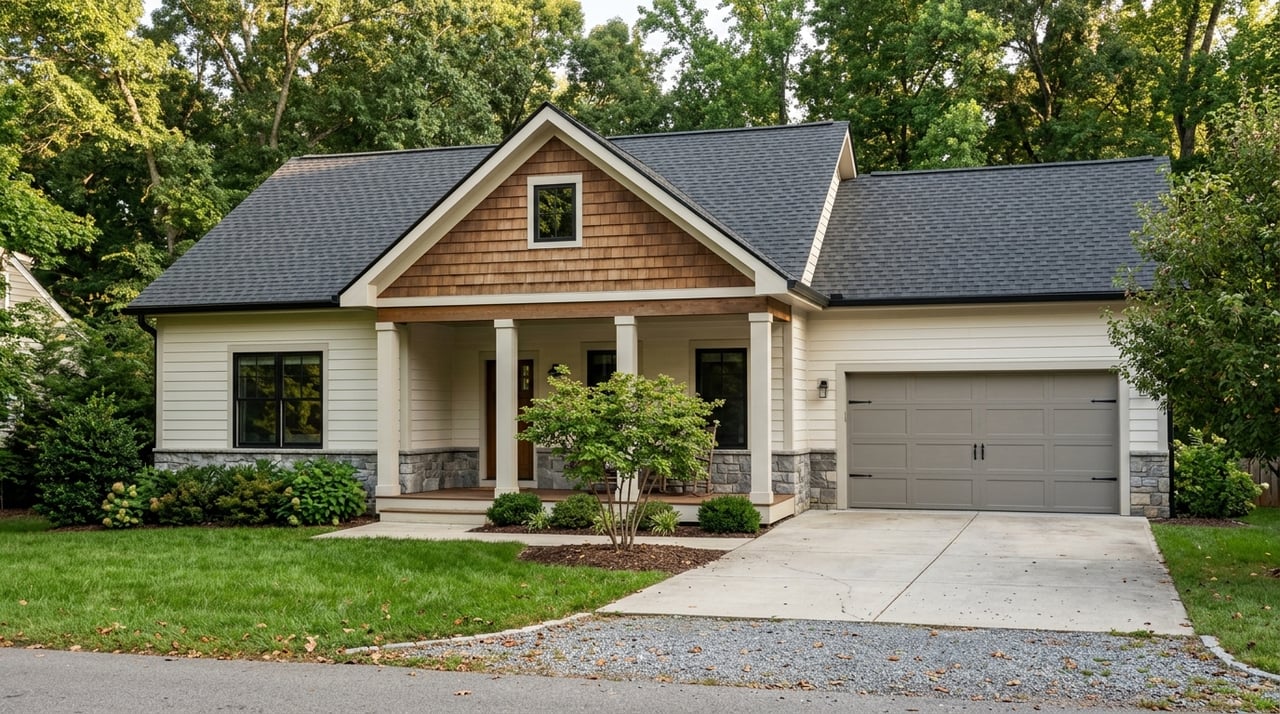
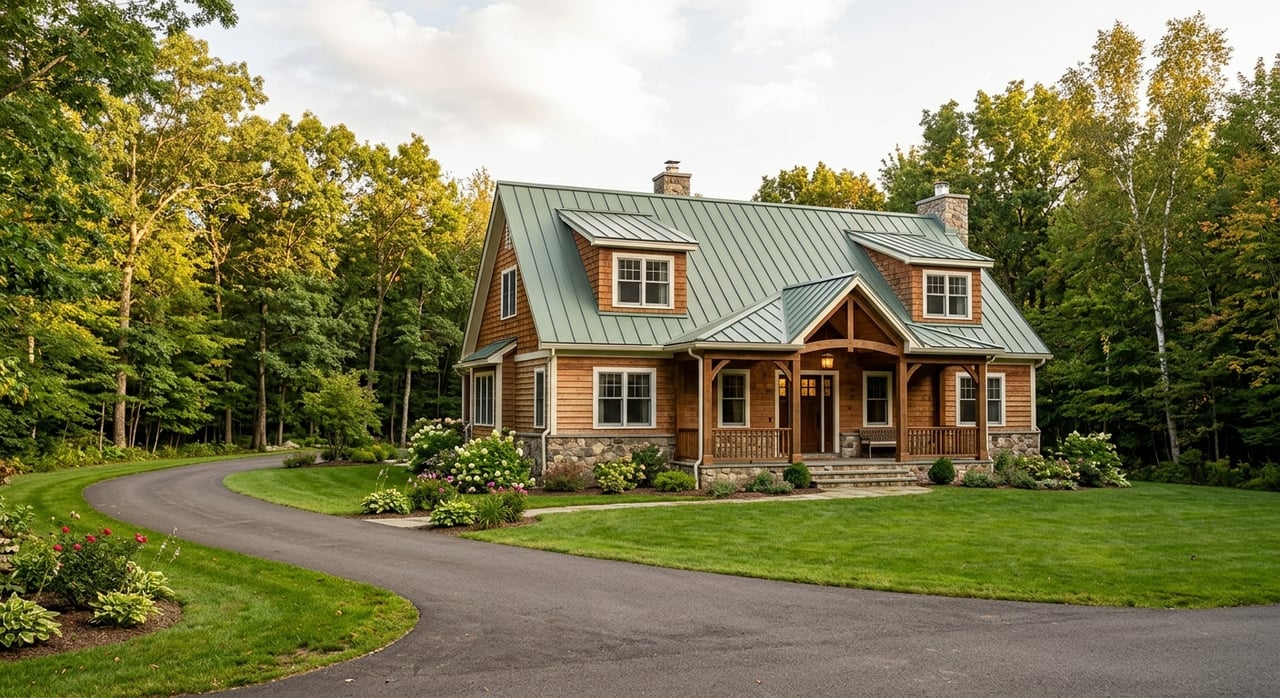
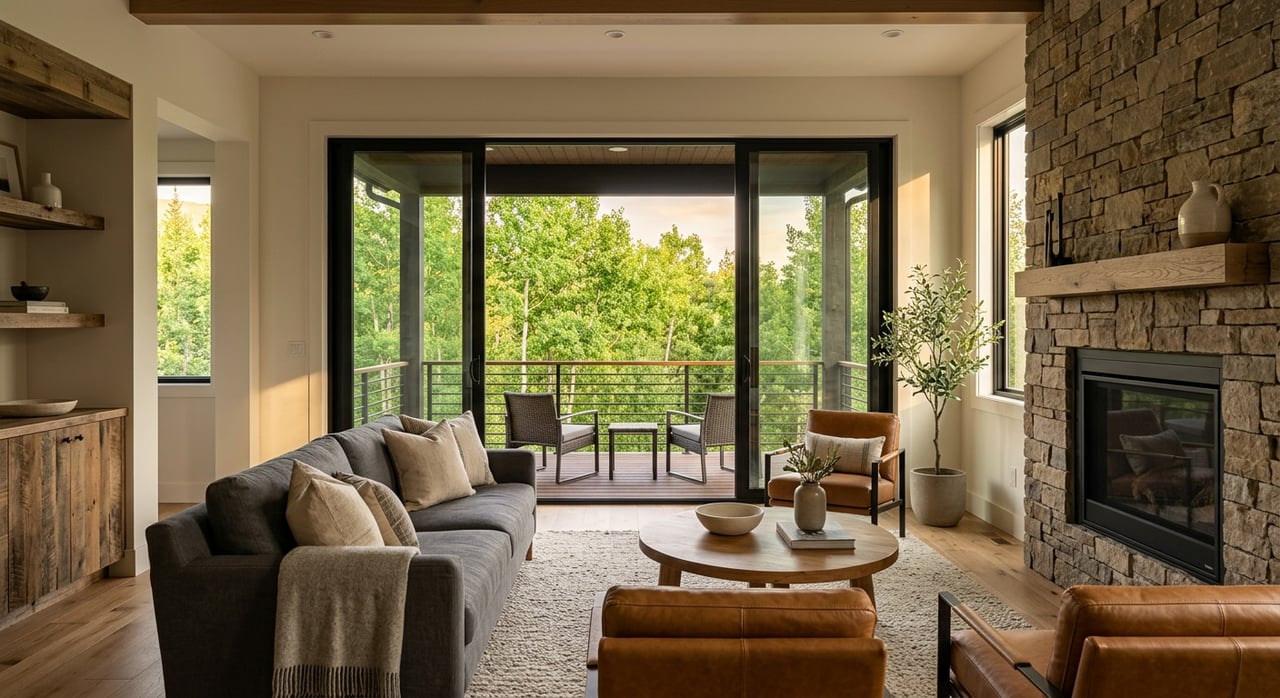
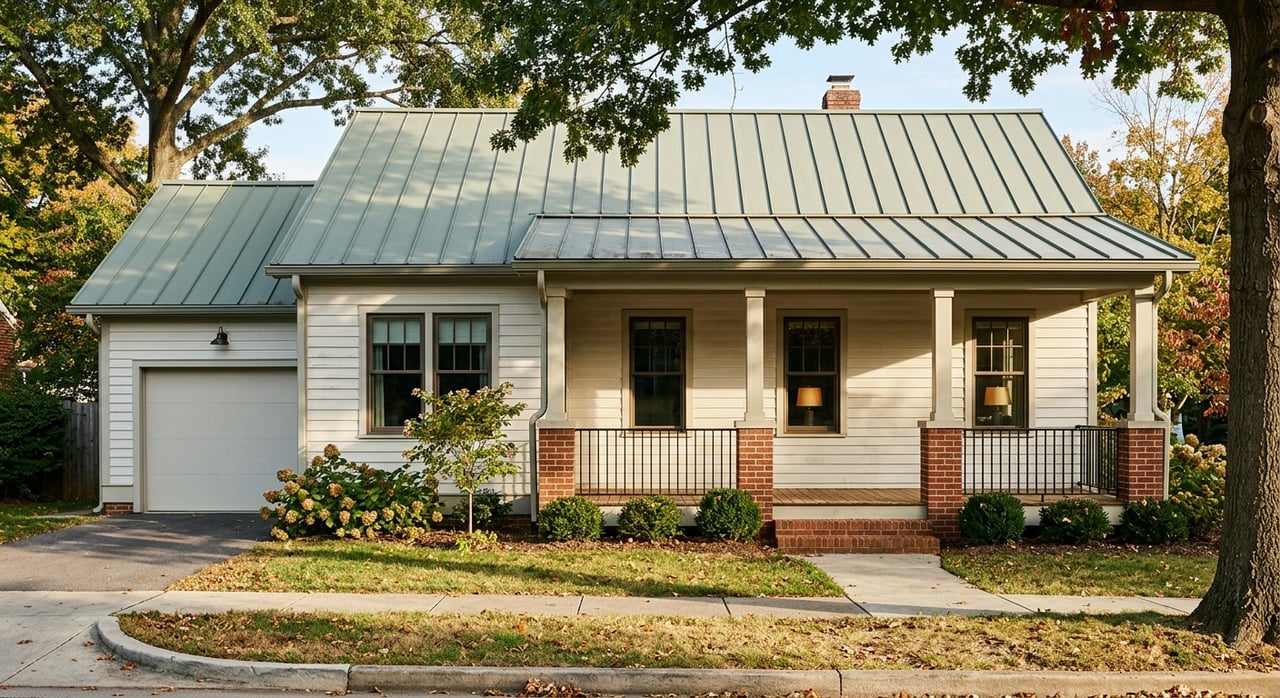
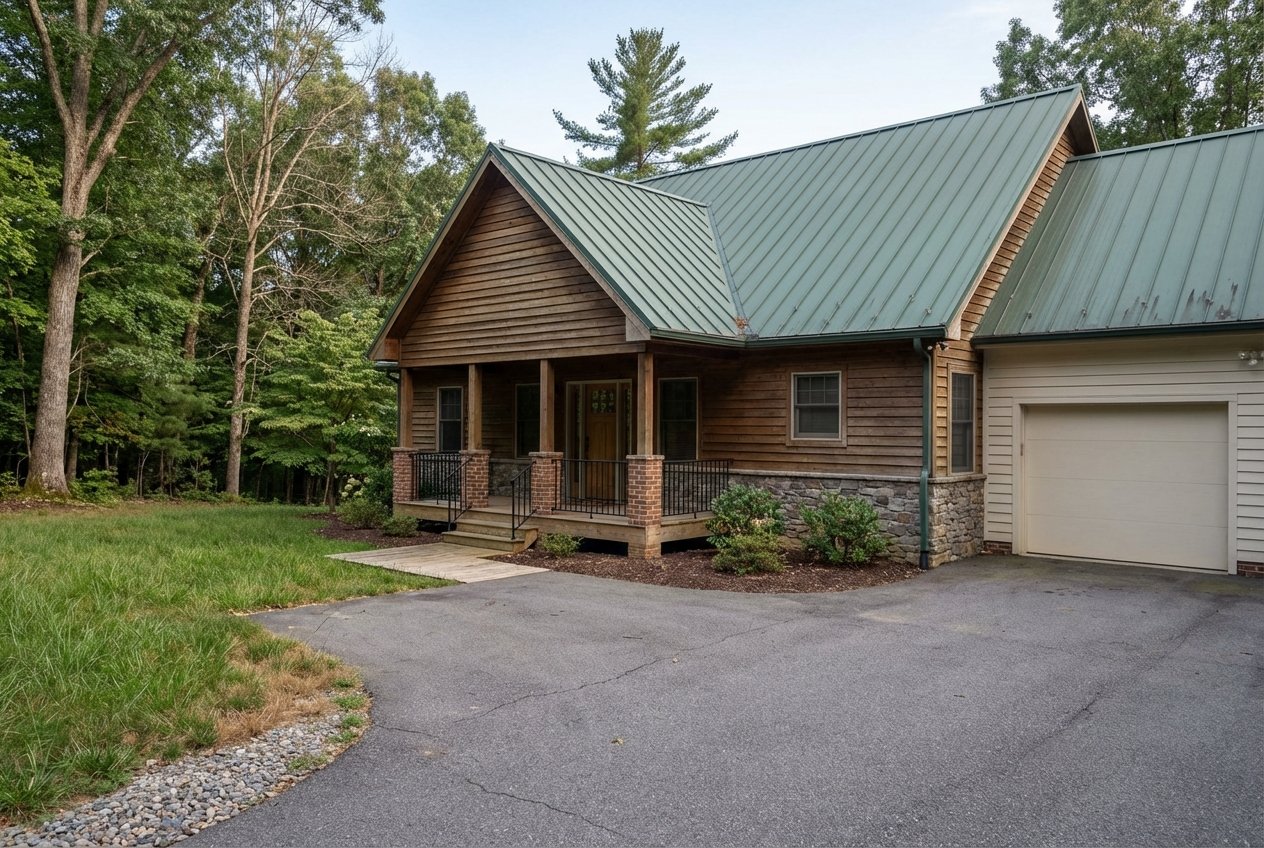
You’ll find a mix of home types across the Weaverville area. Options range from historic cottages and Victorian‑era homes near downtown to craftsman and bungalows, single‑level ranch homes, and mountain cabins on acreage. Newer modern‑farmhouse and mountain builds also appear in small subdivisions or on larger lots. There are starter‑friendly properties as well as higher‑end homes with long‑range views and nearby gated communities.
Price snapshot and pace
Recent public data shows the local price level near the upper‑$400s. The Zillow Home Value Index for Weaverville sat around $459,000 as of late 2025, and 2025 median sold prices commonly ranged about $450,000 to $505,000 depending on month and data source. Since market conditions shift, re‑check current figures close to your search window. Many 2025 snapshots showed a calmer tempo than the 2020 to 2022 frenzy, with more days on market and a higher share of price reductions, though well‑priced homes in prime spots can still sell quickly.
Commute, transit, and airport access
Driving to Asheville
Most residents drive. From much of Weaverville, it’s a roughly 10 to 20 minute commute to downtown Asheville via I‑26/US‑19/23 depending on traffic and exact origin. That short trip makes Weaverville popular with professionals who want a quieter home base. See the town’s geography and roadway context on Wikipedia.
Public transit options
Buncombe County’s Mountain Mobility program runs local “Trailblazer” routes, including a North Buncombe circulator that can connect to ART (Asheville Rides Transit) transfer points. Regional transit is limited compared with larger metros, so most commuters still prefer to drive. Review routes and schedules on the county’s Trailblazer Routes page.
Proximity to the airport
Asheville Regional Airport (AVL) is the closest commercial airport. Plan about 25 to 45 minutes by car depending on time of day and your starting point in Weaverville. Check live traffic before you head out, especially during peak times or weather events.
Taxes, utilities, broadband, and insurance
Property tax basics
Property taxes include a county rate plus the town’s municipal rate and any special districts. Buncombe County adopted a general rate around 54.66 cents per $100 of assessed value for FY2026, and recent Weaverville budgets have cited a municipal rate near $0.35 per $100. Always confirm the current year’s adopted rates and request the actual tax bill for any home you’re considering. You can follow budget updates through Buncombe County’s news pages and the town’s manager/budget page.
Utility providers
Inside town limits, Weaverville manages water and sewer service. Electric service is commonly through Duke Energy in much of the region, but verify by address. For setup steps and service forms, the town maintains resources on its official site.
Internet and broadband checks
Availability varies by street and by lot. Spectrum and AT&T serve many addresses, and some rural properties use fixed wireless or satellite options. To avoid surprises, run an address‑level check using the FCC National Broadband Map and your chosen providers. The state’s page on the FCC map offers guidance and links to the tool; start here: FCC broadband map overview.
Flood, slope, and insurance
Creek‑adjacent parcels and mountain valleys can fall within FEMA flood zones, and steep lots carry slope and stormwater considerations. Before you go under contract, ask your agent to pull preliminary county GIS views and FEMA layers. Get a homeowner’s insurance quote, and if a property is near waterways, secure a flood insurance quote as well.
How to buy from out of town
Timeline and what to expect
Once your offer is accepted, a typical financed purchase in North Carolina often closes in about 30 to 45 days. Cash deals can be faster, and timelines always depend on inspections, appraisal, lender requirements, and seller needs. If you are relocating on a tight schedule, build in a buffer for contingencies and travel.
Virtual tools that make it easy
You can tour and compare homes remotely with high‑quality photos, agent video walkthroughs, 3‑D tours, and recorded neighborhood drive‑bys. Ask for time‑stamped videos that include exterior, roofline views where possible, major systems, and sound checks near roads. Floor plans help with furniture planning and verify room flow before you fly in.
Inspections you should budget for
Plan for a standard home inspection and add septic, well, pest, radon, or HVAC specialists as applicable. If a seller provides a recent pre‑listing inspection, still order your own independent inspection for peace of mind. For older or mountain properties, get contractor estimates on any flagged items during your due‑diligence period.
Remote closing options: RON and POA
North Carolina has authorized remote online notarization procedures, and many Western North Carolina closings now use e‑signature and RON when the title company and county recorder accept them. Policies vary by title provider and lender, so confirm early in your process. You can read a summary of the state’s RON law on JDSupra.
If you anticipate using a power of attorney, North Carolina’s Uniform Power of Attorney Act (Chapter 32C) governs the requirements. Many title companies request an agent’s certification form and a properly notarized durable POA, sometimes recorded ahead of the deed. Review details with your closing attorney and see the statute on the NC General Assembly site.
Quick checklist for remote buyers
- Get pre‑approved with a lender experienced in North Carolina loans and remote document workflows.
- Hire a local buyer’s agent who routinely supports out‑of‑area clients and can coordinate video tours, neighborhood drive‑bys, and contractor bids.
- Confirm utilities by address: town water/sewer, electric provider, and trash service; ask for any setup fees or deposits.
- Run an address‑level broadband availability check using the FCC map and ISP tools. Use this FCC map overview for guidance.
- Verify school assignments directly with Buncombe County Schools using the district directory.
- Request the property’s current tax bill and confirm the year’s adopted county and town tax rates through Buncombe County’s budget news and the town’s budget page.
- Schedule inspections early and budget for follow‑up specialist evaluations as needed.
- Ask your title company about e‑sign, RON availability, and courier/mail‑away options. If using a POA, confirm NC Chapter 32C compliance up front.
Is Weaverville right for you?
If you want small‑town charm, park space, and easy trail access, all within a quick drive of Asheville, Weaverville checks a lot of boxes. Prices sit near the upper‑$400s on average, with options from cozy in‑town cottages to newer mountain builds on larger lots. The lifestyle balance is what wins most buyers over: a neighborly downtown, outdoor time on demand, and big‑city amenities just down the interstate.
If you’re weighing a move and want a clear plan, we’re here to help you compare neighborhoods, refine your budget, and coordinate a smooth remote purchase if needed. Reach out to Jarett Gates & Caroline Easley to talk timing, inventory, and next steps.
FAQs
Is Weaverville a good base for commuting to Asheville?
- Yes. Weaverville sits about 9 miles north of downtown Asheville, often a 10 to 20 minute drive via I‑26/US‑19/23 depending on traffic, per Wikipedia.
How much do homes cost in Weaverville right now?
- As of late 2025, the Zillow Home Value Index for Weaverville was about $459,000, with 2025 median sold prices commonly in the $450,000 to $505,000 range. Re‑check current data before you shop.
Which public schools serve Weaverville addresses?
- Buncombe County Schools serves the area, including Weaverville Primary, Weaverville Elementary, North Windy Ridge Intermediate, North Buncombe Middle, and North Buncombe High. Confirm assignments using the district directory.
How are property taxes calculated in Weaverville?
- Taxes include the county rate plus the town’s municipal rate and any special districts. For FY2026, Buncombe County set about $0.5466 per $100 of value; Weaverville’s municipal rate was near $0.35 per $100 in recent budgets. Verify the current year’s adopted rates.
Can I close on a Weaverville home remotely?
- Often yes. Many title companies support e‑sign and remote online notarization where accepted. North Carolina has authorized RON procedures, but confirm with your title provider and lender; see the JDSupra summary.
Is there public transportation in Weaverville?
- Limited regional service exists through Buncombe County’s Mountain Mobility Trailblazer routes, including a North Buncombe circulator that can connect to ART in Asheville. Review details on the county’s Trailblazer Routes page.