Thinking about buying a fixer-upper in Rutherfordton? You may be drawn to the charm, the character, or the chance to create a home that fits your style and budget. That opportunity is real here, but so are the extra steps that can come with older homes, historic properties, and renovation financing. This guide will help you understand what to watch for, what questions to ask, and how to make a smart plan before you buy. Let’s dive in.
Why Rutherfordton attracts fixer-upper buyers
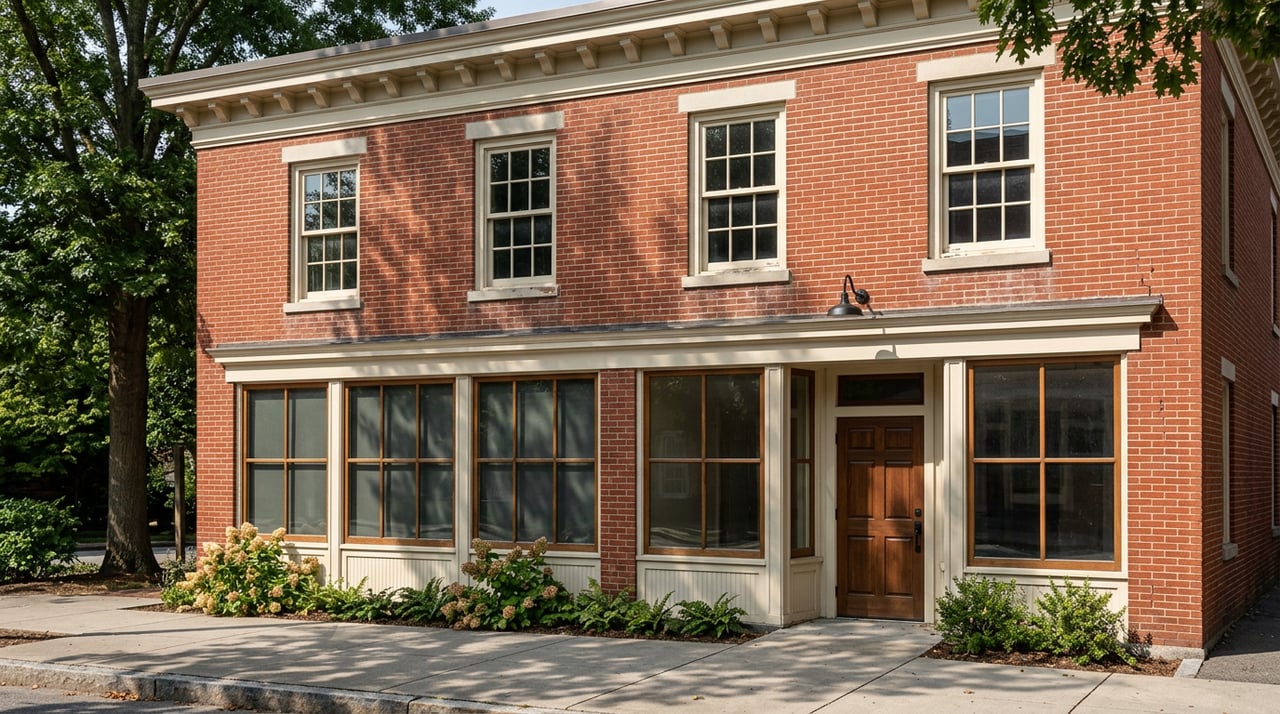
Rutherfordton has the kind of housing stock that often sparks fixer-upper interest. The town describes itself as one of the oldest towns in western North Carolina, and its historic core includes brick buildings, antebellum homes, and a broad mix of older structures.
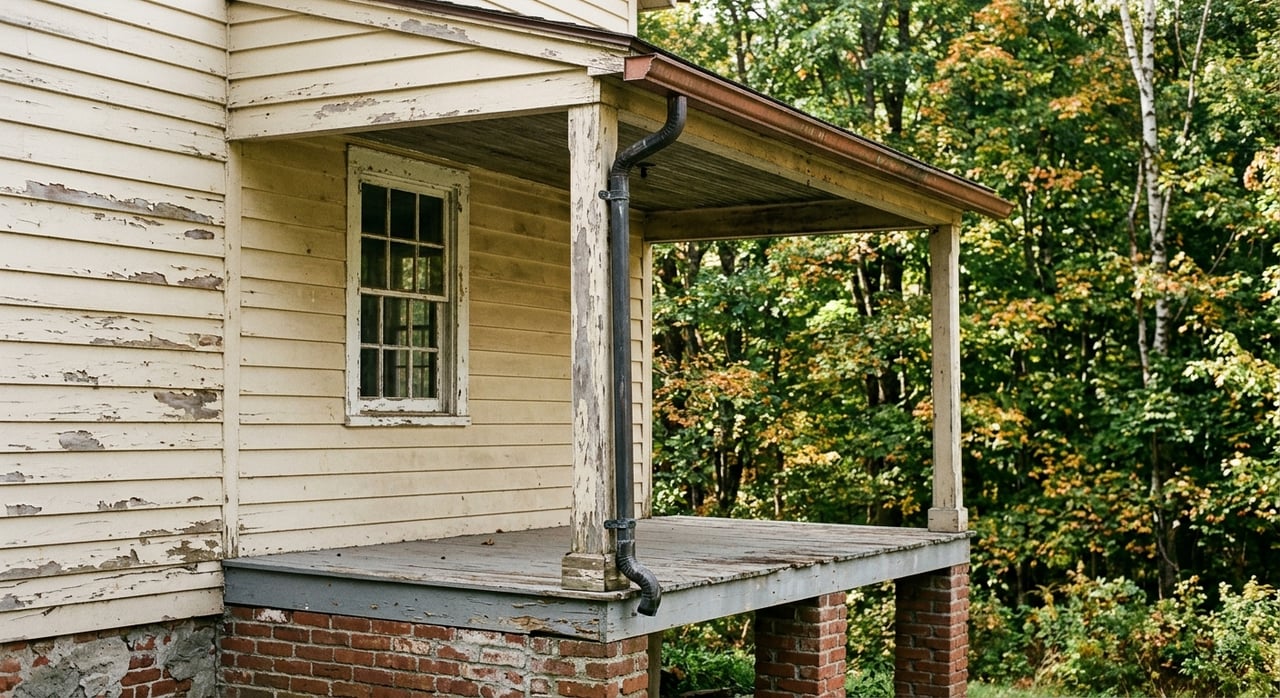
That matters because older homes often come with details you may not find in newer construction. Rutherfordton’s Historic District includes nearly 200 historic homes and buildings, with styles ranging from Victorian and Gothic Revival to Bungalows and Colonial or Classical Revival homes. If you are shopping here, you should expect character, age, and the possibility of deferred maintenance.
There is also a value conversation worth having. Recent market snapshots show Rutherfordton home values holding meaningful price points, but they also suggest that condition still has a major impact on what a home is worth. Zillow reported an average home value of $255,746 as of May 31, 2026, while Redfin reported a median sale price of $345,044 for the three months ending May 2026, with homes averaging 146 days on market and selling about 5% below list price.
What makes a fixer-upper worth it
A fixer-upper usually makes the most sense when the work is clear and manageable. Cosmetic updates, worn finishes, or defined system replacements can be easier to budget for than homes with broad unknowns.
In Rutherfordton, that distinction matters even more because older homes may involve code, permit, historic-review, or floodplain issues. A home that looks like a simple update on the surface can become more complex once inspections begin.
The safest opportunities are often the ones where the gap between current condition and future value is mostly visible. If you can clearly identify what needs to be done, you are in a better position to plan your financing, timeline, and total costs.
What to inspect in an older home
When you tour an older house in Rutherfordton, look beyond paint colors and flooring. North Carolina’s building-code framework for existing homes allows repairs and alterations without requiring the entire house to be rebuilt to new-home standards, but new work still has to meet code rules and cannot leave the home less compliant than before.
That means your due diligence should focus on the systems and structure that affect safety, livability, and renovation costs. Cosmetic charm does not tell you the full story.
Structural condition
Start with the bones of the house. Ask about the foundation, framing, roof condition, signs of settling, and moisture intrusion.
These issues can change the whole renovation budget. A home with solid structure but dated finishes is very different from a home with movement, water damage, or major roof concerns.
Electrical, plumbing, and HVAC
Mechanical systems are a big part of fixer-upper math. Older electrical panels, outdated wiring, aging plumbing lines, and worn HVAC systems can all trigger substantial repair costs.
County inspection materials show that remodels, service upgrades, HVAC change-outs, and similar projects are common permit items. Even a moderate renovation may involve more than one trade and more than one inspection.
Fire and life safety
Safety upgrades matter in older homes. Depending on the work scope, improvements related to exits, smoke alarms, electrical safety, and other code-governed items may come into play.
This is one reason it helps to understand your renovation plan before you make an offer. The more invasive the work, the more likely the project is to touch multiple code requirements.
Lead-based paint concerns
If the home was built before 1978, ask about lead-based paint disclosures. Federal lead rules give buyers of most pre-1978 housing the right to know about known lead-based-paint hazards before signing.
If you plan to sand, cut, replace windows, or disturb painted surfaces, EPA guidance recommends using lead-safe certified contractors. This can affect both your project budget and your renovation timeline.
Historic district rules can affect your plans
Historic homes can offer real charm and long-term appeal, but they may come with extra review steps. Rutherfordton says property owners in the historic district should contact Historic Preservation Commission staff early, get the district guidelines, and apply for a Certificate of Appropriateness before a building permit is issued for work that requires one.
This step can be especially important if you are planning exterior changes. Windows, roofing, additions, siding details, or other visible updates may need review before work begins.
That does not mean you should avoid a historic property. It simply means you should go in with a clear understanding of process, timing, and design limits before you commit.
Possible upside for historic properties
There may be benefits too. Rutherfordton notes that owners may be able to pursue grants or possible federal and state investment tax credits for rehabilitation projects.
If you are considering a home in the historic district, ask early whether the property may qualify for any rehabilitation-related programs. Even if you do not use them, knowing your options can help shape your budget and scope.
Permits and inspections to expect
Rutherfordton’s permit page says town-issued permits are inspected for compliance with North Carolina Building and Fire Codes, and the town directs applicants to Rutherford County Building Inspections for permit help. In plain terms, most meaningful renovation work will involve formal review.
North Carolina code also makes clear that electrical installation, extension, alteration, or general repair requires a permit unless it is specifically exempt. So if you are buying an older home with plans to update wiring, systems, or layout, expect paperwork and inspections to be part of the process.
This is not necessarily a problem. It is just part of buying smart. You want a project that can move forward with clear expectations, rather than one that surprises you after closing.
Floodplain issues to check early
Some homes in or near Rutherfordton may involve floodplain review. The town’s land-use regulations include flood-damage prevention rules, and its floodplain page says some construction review may require an elevation certificate from a North Carolina licensed surveyor, engineer, or architect.
For buyers, this means location matters as much as condition. A property with a lower price tag may still require extra review time, extra documents, and added project planning if floodplain rules apply.
If a home appears to be near a floodplain, ask that question early in your search. It is much easier to evaluate the property when you understand the local review path from the start.
Financing options for a fixer-upper
Many buyers assume a fixer-upper has to be paid for with cash, but that is not always true. Several renovation loan options are designed to combine the purchase and repair costs into one loan.
HUD’s Section 203(k) program is one option for homes that are at least one year old. The Standard 203(k) is intended for major rehabilitation or repairs, while the Limited 203(k) can finance up to $35,000 for minor, nonstructural repairs.
Conventional options also exist. Fannie Mae’s HomeStyle Renovation program allows purchase or refinance with renovation funds in one loan, and Freddie Mac renovation mortgage products can also finance repairs, restoration, rehabilitation, or renovation.
When renovation financing fits best
These loan options often work best when the project scope is defined. Homes that need cosmetic improvements or clearly identified system updates are usually easier to underwrite and budget than homes with widespread unknown conditions.
If the property has structural concerns, lead-safe renovation needs, historic-review steps, or floodplain complexity, you may need a larger contingency and more patience. In some cases, a different property may simply be the better fit.
Budget beyond the purchase price
The purchase price is only one part of the equation. Renovation budgets often include permits, inspections, contingency reserves, and sometimes payment reserves depending on the loan structure.
You should also factor in ongoing carrying costs. Rutherford County’s FY2025-26 budget ordinance set the county property tax rate at $0.454 per $100 of assessed value.
The right fixer-upper is not always the cheapest house. It is the house where your total cost, timeline, and renovation risk still make sense for your goals.
A smart Rutherfordton fixer-upper strategy
If you are serious about buying a fixer-upper in Rutherfordton, your best move is to stay focused on homes with understandable projects. Older homes here can be full of charm and potential, but the strongest opportunities are usually the ones where condition issues are visible, permits are manageable, and the renovation path is reasonably clear.
That is especially true if you are buying from out of area or balancing a second-home purchase with a renovation plan. A clear scope, strong inspections, and local guidance can help you avoid turning a promising property into an expensive guessing game.
If you want help sorting through older homes, renovation potential, and property-specific red flags in Rutherfordton or across Western North Carolina, Caroline Easley can help you evaluate the opportunity with a practical, relationship-first approach.
FAQs
What should you inspect first when buying a fixer-upper in Rutherfordton?
- Focus first on structure, roof, moisture issues, electrical, plumbing, HVAC, and safety-related concerns before you spend too much time on cosmetic details.
Do historic district homes in Rutherfordton need extra approvals for renovation work?
- Yes. Rutherfordton says owners should contact Historic Preservation Commission staff early and obtain a Certificate of Appropriateness before a building permit is issued for work that requires one.
Can you finance both the purchase and repairs of a fixer-upper in Rutherfordton?
- Yes. Options mentioned in the research include HUD Section 203(k), Fannie Mae HomeStyle Renovation, and Freddie Mac renovation mortgage products.
Are permits required for fixer-upper renovations in Rutherfordton?
- In many cases, yes. Town and county materials show that remodels, service upgrades, HVAC change-outs, and electrical work commonly involve permits and inspections.
Should you worry about floodplain rules when buying an older home in Rutherfordton?
- Yes, if the property is in or near a floodplain. Local review may require extra paperwork, and some projects may need an elevation certificate from a North Carolina licensed professional.
Is a cheaper fixer-upper always the better deal in Rutherfordton?
- No. A lower price can still lead to higher total costs if the home has hidden structural issues, permit complications, historic-review hurdles, or floodplain constraints.