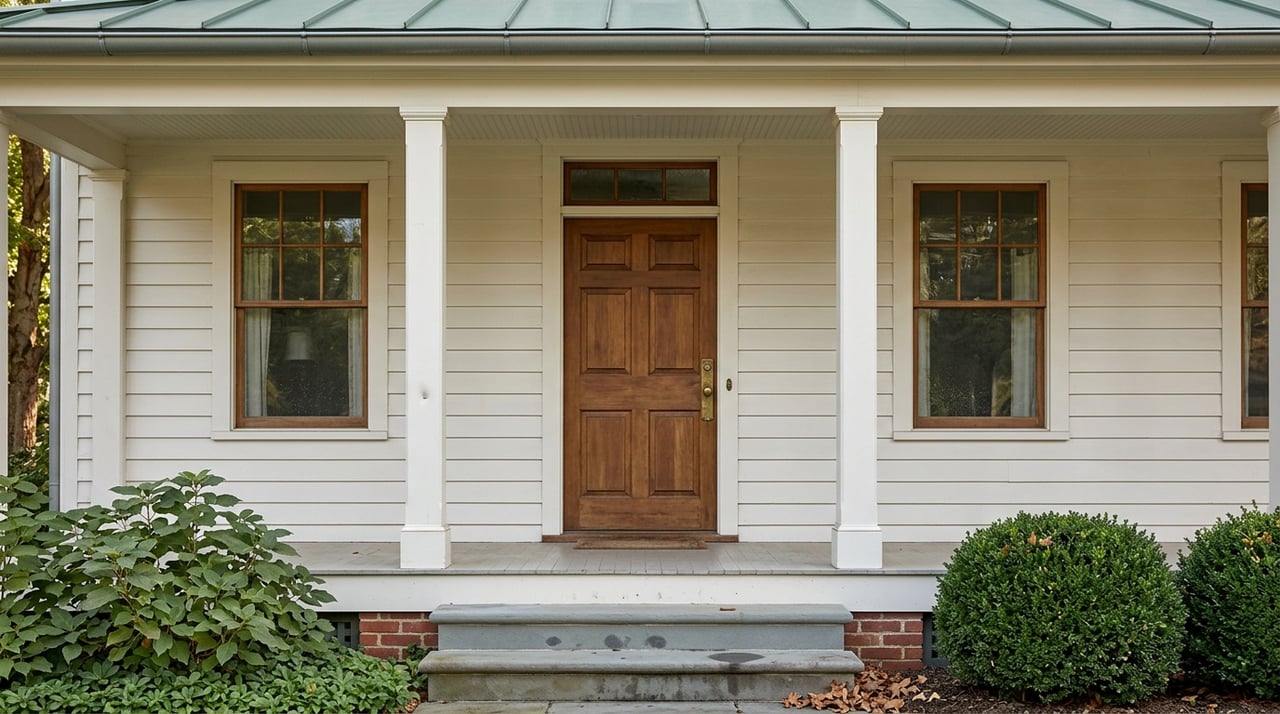
Looking at a historic home in Rutherfordton and wondering whether the charm comes with extra strings attached? That is a smart question to ask before you fall in love with original woodwork, a deep front porch, or a house near the downtown historic core. If you are thinking about buying here, it helps to understand what makes these properties special, what rules may apply, and how to plan for inspections, repairs, and possible tax credits. Let’s dive in.
Why Rutherfordton Appeals to Historic-Home Buyers
Rutherfordton is one of the oldest towns in western North Carolina, founded in 1787, and the town says its historic district includes nearly 200 historic homes and buildings around downtown. The Main Street Historic District was listed in the National Register of Historic Places in 1995, and town information describes it as a long-established civic and commercial area that developed mainly from about 1898 to 1945. You can learn more through the Town of Rutherfordton historic preservation resources.
For you as a buyer, that history often translates into variety. Instead of block-after-block sameness, Rutherfordton’s older housing stock includes Victorian, Gothic Revival, bungalow, Colonial Revival, and Classical Revival influences, along with documented antebellum and Queen Anne examples in town records and preservation files.
What Styles You May See
Historic homes in Rutherfordton are not all cut from the same mold. Town and state preservation records show a mix of architectural periods and forms, which means your search may include everything from a simple bungalow to a more ornate Victorian-era house.
Victorian and Queen Anne Homes
If you love decorative trim, asymmetrical shapes, and dramatic curb appeal, you may be drawn to Victorian or Queen Anne homes. The National Register documentation describes the Carrier-Ward House as Rutherfordton’s most elaborate Queen Anne dwelling, with features like a three-story tower and decorative sawnwork, which gives you a sense of the detail found in some local historic properties.
Federal and Greek Revival Influences
Some of Rutherfordton’s older properties reflect earlier design traditions. Preservation records identify the Carrier-McBrayer House as a transitional Federal and Greek Revival I-house, while St. John’s Episcopal Church is described as a Greek Revival frame church from the late 1840s in the district nomination found in the National Register documentation for Rutherfordton.
Bungalows and Early 20th-Century Homes
You may also come across practical, appealing bungalows and other early 20th-century houses near the historic core. An architectural context report from the North Carolina Historic Preservation Office notes a stylistically mixed neighborhood fabric along North Main and North Washington streets, including Queen Anne, Colonial Revival, Tudor Revival, and bungalow homes. That mix can be a big part of the appeal if you want character without one single look dominating the area.
Understand What Historic Designation Really Means
One of the biggest misconceptions buyers have is assuming that a National Register listing automatically controls what they can do with a house. In reality, the National Park Service explains that National Register listing by itself does not impose federal restrictions on a private owner when there is no federal funding or permit involved.
That said, local rules can still matter a great deal.
Local Review Can Affect Exterior Changes
In North Carolina, local historic district and landmark regulations can require approval before exterior changes or demolition. State law says that after local designation, exterior features such as walls, fences, light fixtures, steps, pavement, utility structures, and signs may not be altered or demolished until a certificate of appropriateness has been approved. The law also generally does not give jurisdiction over interior arrangement.
Rutherfordton states that its Historic Preservation Commission regulates local historic landmarks and districts within town limits and reviews proposed exterior changes. The town also advises owners to get the Historic District Guidelines and a certificate of appropriateness application early in the planning process through its boards and commissions page.
A COA May Come Before a Permit
This matters if you plan to update windows, siding, porches, masonry, fencing, or other visible exterior features. Rutherfordton says a certificate of appropriateness must be approved before a building permit can be issued for work that requires one, and applications usually include photos and scaled drawings.
For you, that means timeline and paperwork should be part of your buying decision, especially if you hope to renovate soon after closing.
Ask the Right Questions Before You Buy
A historic home purchase usually benefits from more detailed due diligence than a typical resale home. Before you move forward, it helps to clarify the property’s exact status and any prior work.
Confirm the Property’s Designation Status
Ask whether the home is:
- Individually listed
- A contributing resource in a historic district
- Near the historic district boundary but not actually within it
That distinction can affect both local review and possible tax-credit eligibility. It is an important detail to confirm early rather than assume based on appearance or location.
Review Past Exterior Changes
You will also want to ask what exterior work has already been done and whether it went through the proper local review process. That can include changes to:
- Windows
- Siding
- Porches
- Masonry
- Fences
- Rooflines or visible exterior details
If prior work was completed without required approval, that can create headaches later when you try to make additional updates.
Pay Close Attention During Inspections
With older homes, condition matters just as much as charm. A preservation-minded inspection approach can help you spot issues that may affect both your short-term budget and long-term maintenance plan.
Moisture Control Comes First
According to National Park Service guidance on moisture control, one of the biggest priorities in caring for a historic building is keeping water out. That includes maintaining a weather-tight roof, functional gutters and downspouts, sound flashing, and drainage that moves water away from the structure.
During your inspection period, pay close attention to the roof, masonry, crawl space or basement conditions, signs of active leaks, and whether vegetation is growing too close to the house. Moisture problems can quietly damage wood, masonry, finishes, and structural components over time.
Older Masonry Needs the Right Repair Approach
Historic masonry often needs a lighter touch than newer materials. The same National Park Service guidance warns against waterproof coatings on above-ground masonry because they can trap moisture, and it cautions against harsh cleaning methods such as sandblasting.
If a home has brick or stone elements, it is worth asking how they were maintained and whether any repointing used appropriate mortar. The wrong materials can accelerate damage instead of fixing it.
Repair Often Matters More Than Replacement
The Secretary of the Interior’s rehabilitation guidance emphasizes a repair-first approach. In simple terms, historic features should be protected and maintained first, repaired when possible, and replaced only when deterioration is too severe for repair.
That can shape how you budget. Instead of assuming you will replace everything at once, you may find that preserving original features is both the better design choice and the preferred path for preservation review.
Do Not Overlook Lead Paint Rules
If you are buying a home built before 1978, you should assume lead-based paint may be present until testing shows otherwise. The EPA’s lead disclosure rule requires sellers, landlords, real estate agents, and property managers to disclose known lead hazards before a sale or lease and provide the federal lead information pamphlet.
The rule also gives buyers a 10-day period to conduct a paint inspection or risk assessment. If you plan to renovate, EPA also recommends using lead-safe certified renovators for projects that disturb painted surfaces.
Budget Beyond the Purchase Price
Historic homes can be rewarding to own, but they often come with a different budgeting mindset. Costs may include specialized repairs, documentation, review applications, and longer timelines for work that affects the exterior.
Owner-Occupied Tax Credit Basics
The North Carolina Historic Preservation Office says homeowners may qualify for a 15% state tax credit for rehabilitation of owner-occupied historic properties. As of the latest guidance, eligible rehabilitation must exceed $10,000 within 24 months, eligible expenses are capped at $150,000, and the maximum credit is $22,500 under the state residential rehabilitation tax credit program.
The program does not apply to acquisition costs, new additions, site work, or personal property. Work must also meet the Secretary of the Interior’s Standards.
Tax-Credit Review Is Separate From Local Approval
This is where buyers can get tripped up. The North Carolina Historic Preservation Office makes clear that local historic district review and state or federal tax-credit certification are separate processes, and approval in one system does not guarantee approval in the other.
So if a property is both locally designated and part of a National Register district, you may need to plan for more than one application path. That is a good reason to start conversations early if renovation is part of your purchase plan.
Technical Advice Can Be Helpful
NC HPO also offers technical assistance for building owners, including no-cost guidance that can help flag preservation issues before a project becomes more expensive. If you are considering major changes, getting informed early can save time and money.
A Smart Approach to Buying Historic in Rutherfordton
A historic home in Rutherfordton can offer architecture, setting, and character that are hard to duplicate in newer construction. The key is to approach the purchase with clear eyes: confirm the home’s designation status, understand whether exterior review applies, inspect carefully for moisture and lead-related concerns, and budget for both repairs and paperwork.
If you want help navigating a Rutherfordton home search with a thoughtful, local perspective, Jarett Gates & Caroline Easley offer hands-on guidance, clear communication, and concierge-level support to help you move forward with confidence.
FAQs
What does National Register listing mean for a Rutherfordton historic home buyer?
- National Register listing alone does not impose federal restrictions on a private owner, but local historic district rules may still regulate exterior changes.
What exterior changes on a Rutherfordton historic home may need approval?
- Exterior work such as changes to windows, siding, porches, masonry, fences, steps, signs, and other visible features may require a certificate of appropriateness if the property is locally designated.
What should buyers inspect first in a historic home in Rutherfordton?
- Buyers should pay close attention to moisture management issues like roof condition, gutters, flashing, drainage, masonry condition, and signs of water intrusion.
What should buyers know about lead paint in older Rutherfordton homes?
- For homes built before 1978, buyers should assume lead-based paint may be present until tested, review all required disclosures, and consider inspections or risk assessments during the EPA review period.
What tax credits may apply to a historic home in Rutherfordton?
- Owner-occupied qualifying rehabilitation projects may be eligible for a 15% North Carolina state tax credit, but eligibility rules, spending thresholds, and preservation standards apply.