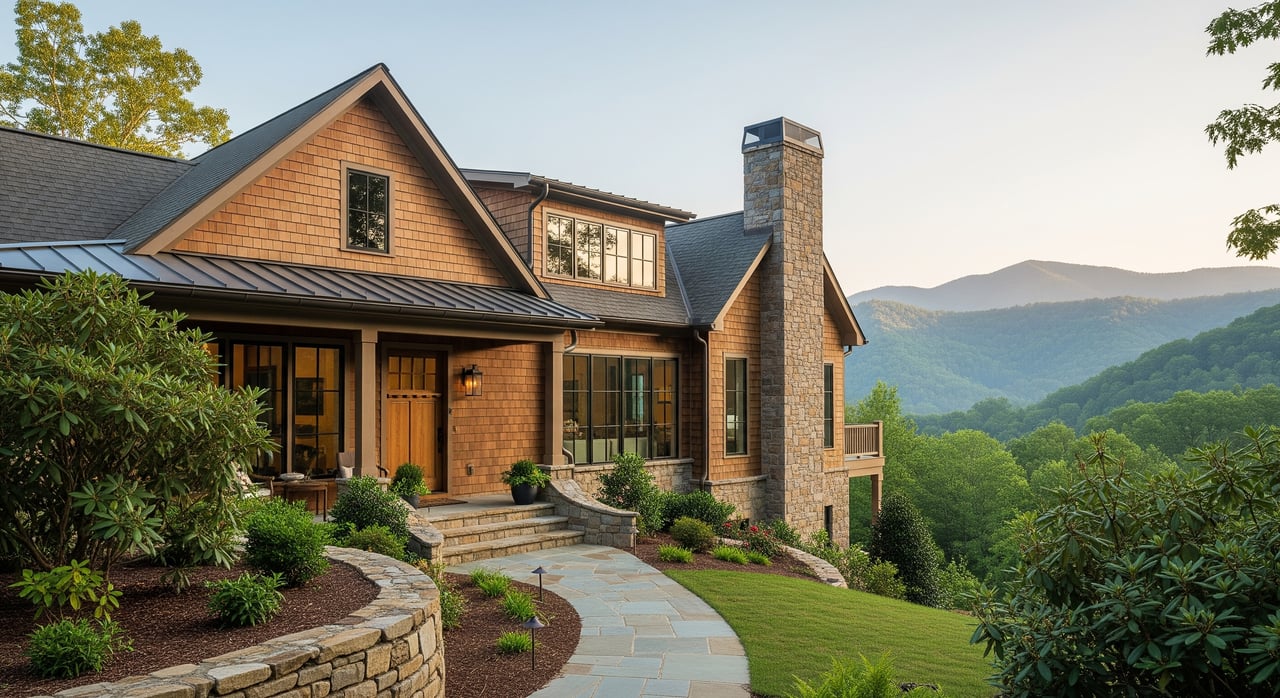
Thinking about buying your first home in the mountains around Brevard? You are not alone. Many first-time buyers are drawn to the area’s walkable downtown, outdoor lifestyle, and calm pace, but the process can feel complex at first. This guide breaks down the steps, costs, and mountain-specific checks so you can make confident decisions. Let’s dive in.
Brevard market at a glance
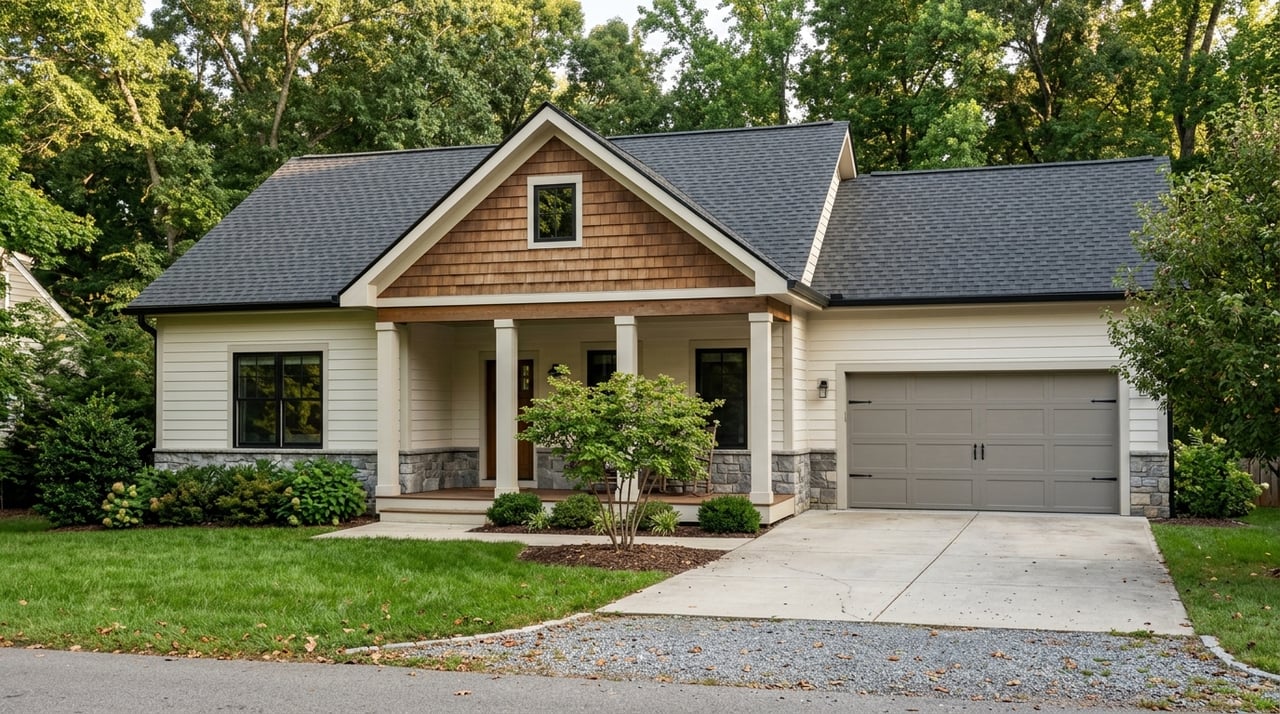
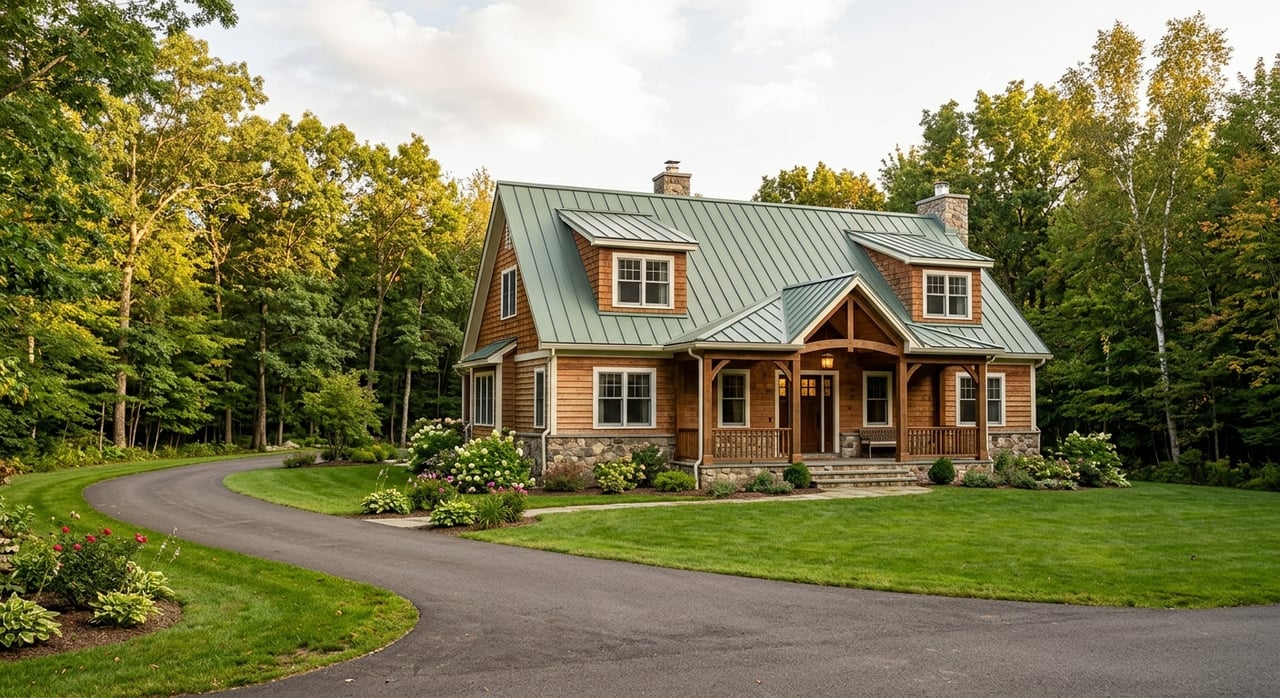
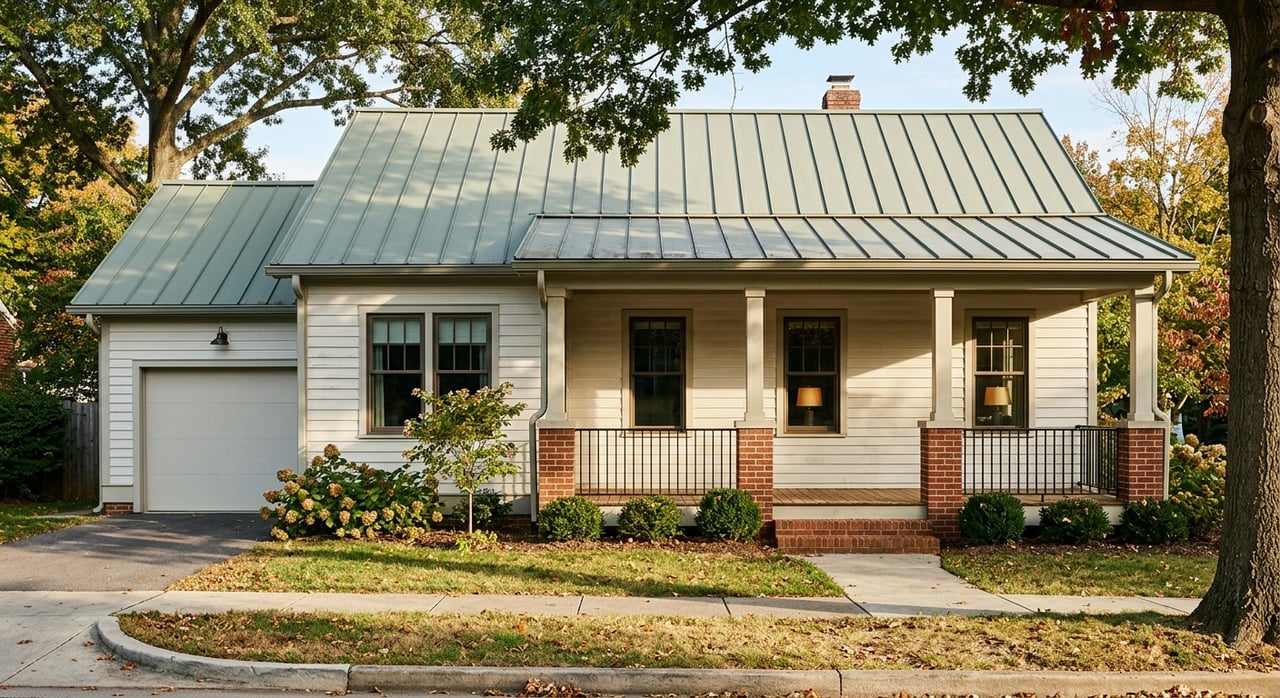
Brevard and Transylvania County offer a mix of downtown cottages, small single-family homes, cabins, and mountain properties on larger lots. You will also see homes with private wells and septic systems, plus older homes with renovations alongside newer construction. Commutes to Asheville can range from 30 to 60 minutes depending on route and weather. Seasonal snow and ice may affect access, and internet or cell service can vary by neighborhood.
Quality-of-life draws include Brevard’s vibrant downtown, nearby music and cultural events, and quick access to Pisgah National Forest. These features often influence demand and potential resale. Because conditions change quickly, check the regional MLS, county sale records, and a local Realtor for current inventory, median prices, and days on market.
Set your budget the smart way
Before touring homes, map out the full cost picture. A clear budget helps you write stronger offers and avoid surprises.
- Down payment: often 3 to 5 percent on certain conventional loans, 3.5 percent for many FHA loans, and zero down for eligible VA or USDA buyers.
- Closing costs: typically 2 to 5 percent of the purchase price. This includes attorney and title fees, recording fees, and prepaid taxes and insurance.
- Ongoing costs: property taxes, homeowners insurance, PMI if you put less than 20 percent down, utilities, and any HOA fees. Mountain homes may add driveway upkeep, septic pumping, and well servicing.
- Emergency reserves: plan for 1 to 3 percent of the home’s value each year or a few months of mortgage payments.
Loan options for first-time buyers in NC
Talk with lenders about eligibility and documentation for these programs:
- FHA: lower down payment and flexible credit standards. Mortgage insurance applies.
- VA: for eligible veterans and service members, often zero down.
- USDA Rural Development: zero down for eligible rural properties. Confirm property eligibility.
- Conventional 3 percent down: for qualifying first-time or low-to-moderate income buyers.
- North Carolina Housing Finance Agency (NCHFA): down-payment assistance and, at times, tax credit options. Programs and terms change, so verify current offerings.
- Local nonprofits: some organizations in Western NC offer counseling or assistance. Check Transylvania County housing resources for current options.
Get preapproved and compare lenders
A preapproval letter shows sellers you are serious and clarifies your price range. It also helps you shop interest rates and fees with confidence.
- Aim for a full preapproval, not just a quick prequalification.
- Request Loan Estimates from multiple lenders and compare APR, fees, and total cash to close.
- Ask about loan fit for your property type, including homes with wells, septic systems, or private roads.
- Plan for earnest money and inspection costs. Understand contingency timelines and how earnest money is handled in North Carolina contracts.
Mountain home must-knows in Transylvania County
Buying in a mountain area brings unique considerations. Build these checks into your plan.
Wells and septic systems
Many homes use private wells and on-site septic. Order a well inspection and water quality test for bacteria, nitrate, and basic potability. Hire a qualified septic inspector, confirm the system’s permit and size, and review service history and needed repairs. If a property lacks a permitted system, consult Transylvania County Environmental Health for requirements.
Access, road, and driveway
Steep driveways, narrow roads, and winter weather affect access and maintenance. Confirm who maintains the road, whether there is a shared agreement, and how snow removal is handled. Verify recorded easements for legal access.
Slope, drainage, and erosion
Hillside homes may have unique drainage and retaining needs. Your home inspector will flag issues, but for steep lots or major grading, consider a geotechnical or civil engineer review. Look for signs of erosion or past slides.
Utilities and connectivity
Electric service reliability can vary in remote areas. Internet and cell coverage differ by neighborhood. Test coverage at the property and check available providers. Some homes use propane or fuel oil, which requires planning for deliveries.
Environmental risks
Check FEMA flood maps for flood zone status. Flood insurance may be required for federally backed loans if the home is in a Special Flood Hazard Area. Radon can be elevated in some mountain areas, so include a radon test in your inspections. Wooded lots may have wildfire risk, so plan for defensible space and discuss coverage with your insurer.
Region-specific inspections
Plan for a general home inspection plus a wood-destroying insect report. Add septic and well inspections, chimney or woodstove inspection, and a radon test. Roofs, gutters, and exterior materials can wear faster in freeze-thaw cycles, so evaluate age and condition.
Zoning, easements, and use rules
Verify zoning, setbacks, and recorded easements with county planning or your closing attorney. If you hope to rent your home short-term, confirm local ordinances and any HOA restrictions.
Your step-by-step timeline
Timelines vary by buyer and property, but this is a typical North Carolina outline:
- Preapproval and budget: 1 to 14 days.
- Home search and touring: weeks to months based on inventory and your schedule.
- Offer and negotiation: a few days to a week or more.
- Inspection period: commonly 7 to 14 days after acceptance to complete inspections and request repairs.
- Appraisal and underwriting: roughly 2 to 3 weeks.
- Closing: often 30 to 45 days from contract acceptance, sometimes shorter or longer by agreement.
How to tour homes like a pro
Use this checklist to evaluate each property efficiently:
- Visit at different times of day to gauge traffic, lighting, and noise.
- Test cell signal and verify internet options and speed.
- Drive your actual commute at peak times.
- Review public services such as fire response, ambulance access, and trash collection.
- Assess driveway grade, winter access, and turnaround space.
- Ask the listing agent about system ages, repairs, septic pumping, and any prior insurance claims.
- Confirm property lines, easements, and whether a new survey is advisable.
Local offices and who to call
These resources help you verify details and stay current:
- Transylvania County Tax Assessor and Property Records: tax rates, recent sales, parcel info.
- Transylvania County Environmental Health: septic and well permits, inspection requirements.
- City of Brevard Planning and Zoning: land use, setbacks, short-term rental rules, local ordinances.
- Transylvania County Schools: school assignment maps and district information.
- North Carolina Housing Finance Agency: first-time buyer and down-payment assistance programs.
- USDA Rural Development: property eligibility for USDA loans.
- FEMA Flood Map Service Center: flood zone checks for specific parcels.
- Local Realtor and local lenders: neighborhood comparables and mountain-friendly underwriting.
When you call, bring focused questions, such as: What are the current tax rates for this parcel? Is the septic permitted and what is its size and age? Are there any short-term rental restrictions in this area? Is the property eligible for FHA, VA, or USDA financing?
Build a winning offer
A competitive offer balances price, terms, and timelines while protecting your interests.
- Lean on a local agent to gauge price, earnest money, and realistic inspection windows.
- Give adequate time for well and septic evaluations.
- If considering appraisal gap coverage or limited contingencies, run the numbers with your lender first.
- Understand the risk to your earnest money before waiving or shortening protections.
Closing day and what comes next
In North Carolina, an attorney typically conducts closing and handles title work. Plan to bring identification and wire funds for the final balance. Review your settlement statement for taxes, insurance, and fee prorations. After recording, set up utilities, update insurance and mailing address, and confirm your property tax billing.
Ready to buy in Brevard?
You deserve a clear plan, local knowledge, and a concierge-style partner who can manage details from offer to keys. If you are relocating or buying from out of the area, video tours, inspection coordination, and steady communication can save time and stress. Reach out to Jarett Gates & Caroline Easley to start with a personalized search, smart financing guidance, and a step-by-step plan for your first home in Brevard.
FAQs
How much down payment do I need to buy in Brevard?
- It depends on your loan type. Many FHA loans require about 3.5 percent down, some conventional programs allow 3 percent, and eligible VA or USDA options may need zero down. Get a lender preapproval to confirm your numbers.
Are septic systems and wells common, and how costly are they?
- They are common in mountain areas. Budget for inspections, regular septic pumping, and well servicing. Replacement or major repairs can be significant, so verify permits, system size, and condition during due diligence.
Can I buy land now and build later in Transylvania County?
- Yes, but check zoning, access, septic feasibility, and utility options before you buy. Land and construction loans have different requirements, so talk with lenders and county departments early.
How long does it take to close on a home in North Carolina?
- Many contracts close in 30 to 45 days, depending on appraisal and underwriting timelines. Inspection periods are often 7 to 14 days after acceptance.
Will I have strong cell and internet service at a mountain property?
- Service varies by neighborhood and terrain. Test coverage at the property, confirm provider options, and verify speeds before you make an offer.
Do I need extra insurance for a mountain home in Brevard?
- You will need a homeowners policy and possibly flood insurance if the home is in a mapped flood zone. Discuss wildfire risk and coverage with your insurer, especially for wooded lots.
Are there extra costs for private roads and steep driveways?
- Often yes. Ask about road maintenance agreements, winter access, and shared costs. Budget for snow removal and periodic driveway repairs if needed.