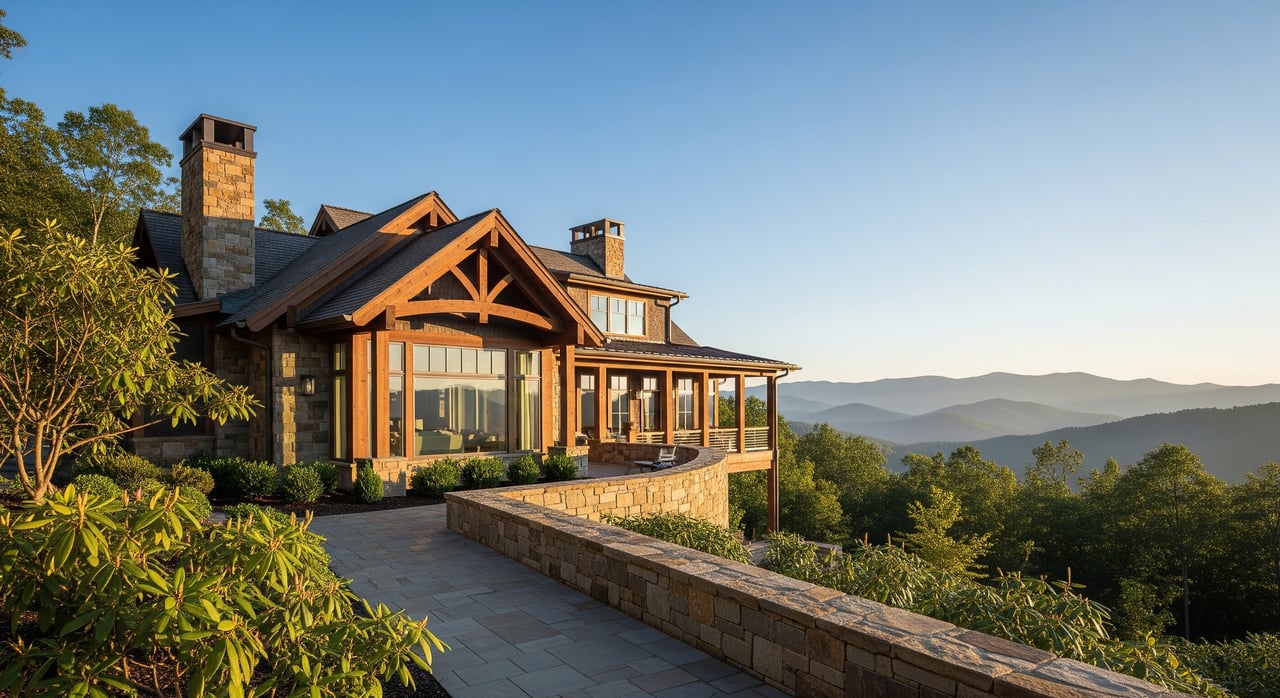
Wondering why some Asheville homes draw multiple offers while others sit longer? If you are planning a move in Buncombe County, the market can feel complex, especially with shifting rates and a steady flow of lifestyle buyers. In this guide, you will learn what is driving prices and inventory, how different neighborhoods behave, and what steps to take as a buyer or seller. Let’s dive in.
What drives demand
Rates and affordability
Mortgage-rate cycles shape buyer activity. When rates rise, purchasing power shrinks; when they stabilize or fall, more buyers step in. Affordability depends on how local prices compare to local incomes, so your budget strategy should adapt as rates and home values move.
Migration and remote work
Asheville attracts people for outdoor access, the arts and food scene, and a slower pace. You will see two main groups: remote workers drawn to walkable areas near town and retirees or second-home seekers who want mountain access with reliable services. Inbound moves often come from larger metro areas in the Northeast and Southeast.
Local jobs and stability
Healthcare, education, tourism, and creative industries support steady demand. Employment trends influence both owner-occupied purchases and rentals, so watch how job announcements and wage growth affect your price bracket.
What limits supply
Land and topography
Limited buildable land and steep slopes slow new construction. Mountain parcels can be complex to develop, which means fewer quick additions to inventory than you might see in flatter suburban markets.
Zoning and permitting
Local zoning and neighborhood resistance to density add time to approvals, and timelines differ inside the city versus the county. Expect more infill and small projects rather than large subdivisions within Asheville city limits.
Construction costs
Labor and materials remain a factor. Higher build costs push new-home prices up and can delay or cancel smaller infill plans, tightening choices for buyers who prefer new construction.
How this shows up locally
Inventory and market pace
Low inventory often leads to faster sales and multiple offers. When inventory rises, days on market extend and negotiation room opens. Your leverage depends on months’ supply, active listings, and how many comparable homes are competing with you.
Pricing by area
- Central Asheville, including Downtown and nearby districts, often commands premium prices per square foot, especially for well-located condos and townhomes.
- West and North Asheville tend to see strong demand because of walkability and local amenities.
- Outlying towns like Weaverville, Black Mountain, Fletcher, Swannanoa, and Woodfin can offer lower entry points and more space.
- Rural and higher-elevation parcels typically trade more slowly and require careful valuation due to access, utilities, and drive times.
New construction and infill
Expect more infill within or near the city and along transit corridors. New builds usually carry a premium. Timelines can be influenced by permit reviews and contractor availability, so build plans require flexibility.
Rentals and STR impact
Demand for long-term rentals comes from local workers and seasonal needs. Short-term rentals can reduce year-round rental supply in some neighborhoods, affecting rents and investor behavior. Regulations matter for both property selection and income projections.
Buyer profiles to watch
Remote workers and lifestyle migrants
They often look for older homes near town, good broadband, and short trips to cafes or healthcare. Their interest can increase competition in mid to higher price brackets.
Retirees and downsizers
Many prefer smaller-lot or low-maintenance homes and single-level floor plans. Proximity to medical services is often a priority.
Second-home and investors
Second-home buyers value views, privacy, and recreation access. Investors assess short-term rental potential but must weigh regulatory risk and seasonality.
Local and first-time buyers
Affordability is the challenge. Exploring outlying areas and considering condos or townhomes can expand options. Assistance programs may be available through local agencies and nonprofits.
Neighborhood signals
Central Asheville
Expect strong interest in condos and townhomes near Downtown, South Slope, and the River Arts District. For sellers, thoughtful staging and amenity updates can help listings stand out. For buyers, be prepared for competition on well-positioned units.
West and North Asheville
Walkable corridors and lively local businesses help sustain demand. Limited supply is common, so pricing and timing matter. Proximity to parks and services can play a role in search decisions.
Suburban belt
Weaverville, East Asheville, Woodfin, and Fletcher offer more single-family choices and a different price-to-space balance. If you want a yard or newer construction, include these areas in your search and consider your commute patterns.
Mountain and rural fringe
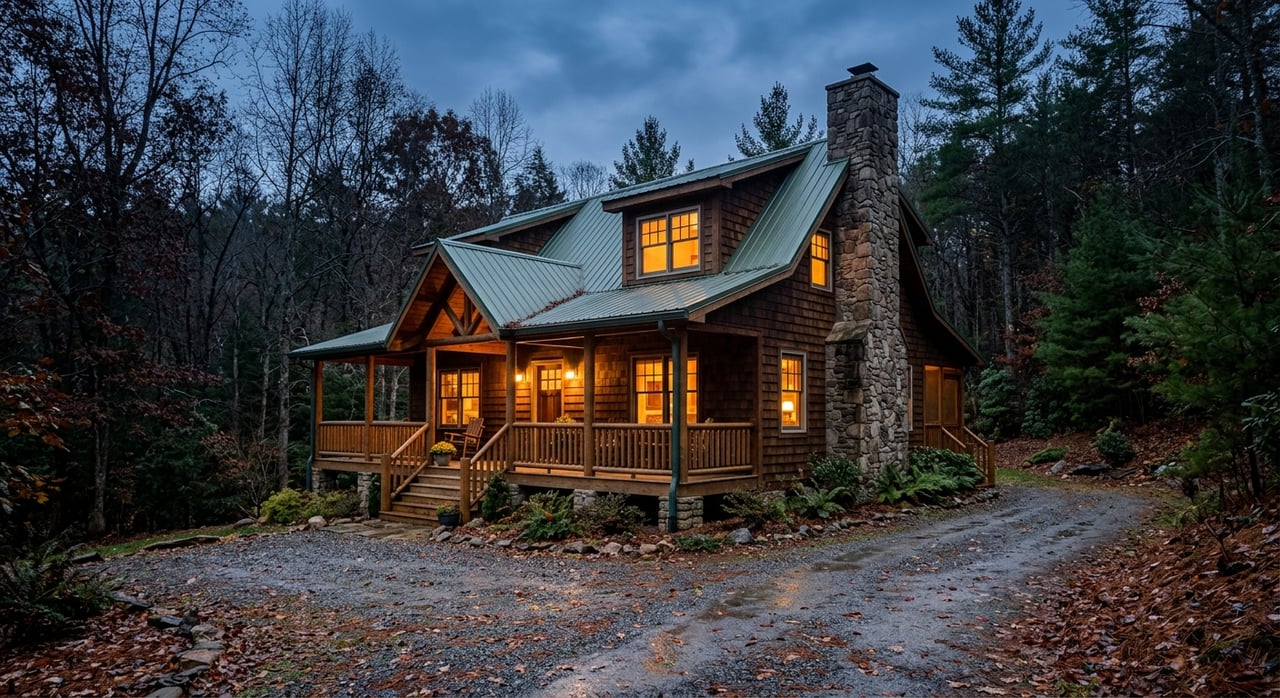
Black Mountain, Montreat, Swannanoa, and higher-elevation parcels offer retreat-style living. Verify road maintenance responsibilities, year-round access, and any HOA or covenant restrictions before you write an offer.
Practical issues to check
Short-term rental rules and taxes
City and county policies govern where and how short-term rentals operate, including licensing, inspections, occupancy limits, and taxes. Compliance influences income projections and resale value, so confirm rules for your specific address.
Utilities, wells, and septic
Outside municipal service areas, you may rely on well and septic systems. Review well yield and water quality, septic capacity relative to bedrooms, and local health department permits. Some lenders have restrictions tied to onsite systems, so loop in your loan officer early.
Natural hazards and insurance
Flood-prone valleys, steep slopes, and wildfire interfaces can affect risk and insurance costs. Check flood maps and slope considerations, then request quotes to understand insurability before due diligence periods end.
Property taxes and assessments
Buncombe County and municipalities publish tax rates and assessment schedules. Review recent assessments, any upcoming revaluations, and special districts that could affect your total bill.
Timing tips for sellers
- Price with precision. Anchor your strategy to recent comparable sales and current active competition in your micro-neighborhood.
- Prepare for the spotlight. Small improvements, clear maintenance records, and strong photography can shorten days on market.
- Watch inventory and seasonality. Tourism cycles and listing volumes impact traffic. When similar homes are scarce, you gain leverage.
- Plan for appraisals and inspections. Address obvious issues up front to keep negotiations smooth.
Smart steps for buyers
- Monitor rates and get preapproved. A strong preapproval lets you act quickly and negotiate with confidence.
- Define must-haves vs. nice-to-haves. Flexibility on area, home type, or condition can widen your options.
- Expand your map. Consider West and North Asheville, plus nearby towns, to balance budget, space, and access.
- Do mountain-specific due diligence. Confirm utilities, road maintenance, slope stability, and insurance early in the process.
- If you are remote, use virtual tools. Video tours and coordinated inspections can keep your search efficient.
Work with a local guide
A clear local strategy helps you avoid surprises and move with confidence. Our boutique team pairs neighborhood knowledge with concierge coordination for relocators, second-home buyers, local sellers, and small investors. From targeted pricing and polished marketing to remote showings and inspection management, you get attentive service backed by Looking Glass Realty’s regional infrastructure.
Ready to make your next move in Asheville or Buncombe County? Reach out to Jarett Gates & Caroline Easley to start your home journey.
FAQs
Is now a good time to buy in Asheville?
- It depends on your budget and timing; weigh current mortgage rates, available inventory in your target area, and your long-term plans before deciding.
How much should I expect to pay by neighborhood?
- Prices vary widely by location and home type; review recent comparable sales and price-per-square-foot trends for your specific neighborhood.
Are short-term rentals a good investment in Asheville?
- They can perform well in tourist-heavy areas, but outcomes depend on city and county rules, seasonality, and operating costs; verify regulations for any property you consider.
What should I know about buying mountain or rural homes?
- Confirm well yield, water quality, septic capacity and permits, road access and maintenance, slope risks, and insurance availability before closing.
Where might first-time buyers find more options?
- Outlying towns and certain neighborhoods can offer lower entry points; be flexible on home type and consider condos or townhomes to expand choices.
How long will it take to sell my home in Asheville?
- Days on market depend on price, condition, location, and competing listings; align pricing with recent comparables and prepare the home to shorten timelines.