Thinking about selling your Weaverville home but not sure when to list? Timing can shape your showings, negotiation power, and days on market. If you want a smooth sale and a strong result, you need a plan that matches local seasonality and buyer behavior. In this guide, you’ll learn the best months to list in Weaverville, how buyer traffic shifts through the year, and a practical prep timeline so you hit the market ready. Let’s dive in.
Best time to sell in Weaverville
Weaverville typically follows the Asheville and Buncombe County market rhythm, with a small-town twist. Inventory is often limited here, which can help your home stand out when buyers are active. The strongest window for most sellers is spring into early summer, with early fall a close second for the right homes. Winter is slower but can still work if you set expectations and price wisely.
Spring advantages
March through May is historically the most active buying season. More shoppers are touring, more listings go live, and well-prepared homes often see faster momentum. Families aiming to move by summer are a big part of this push. With curb appeal in full swing, your exterior will show at its best.
Early summer momentum
June and July keep buyer energy going. Many families try to close before the next school year, so they shop aggressively in early summer. If you miss a spring list date, you can still capture strong traffic here. Focus your photos and staging on outdoor living spaces that shine in warm weather.
Fall opportunities
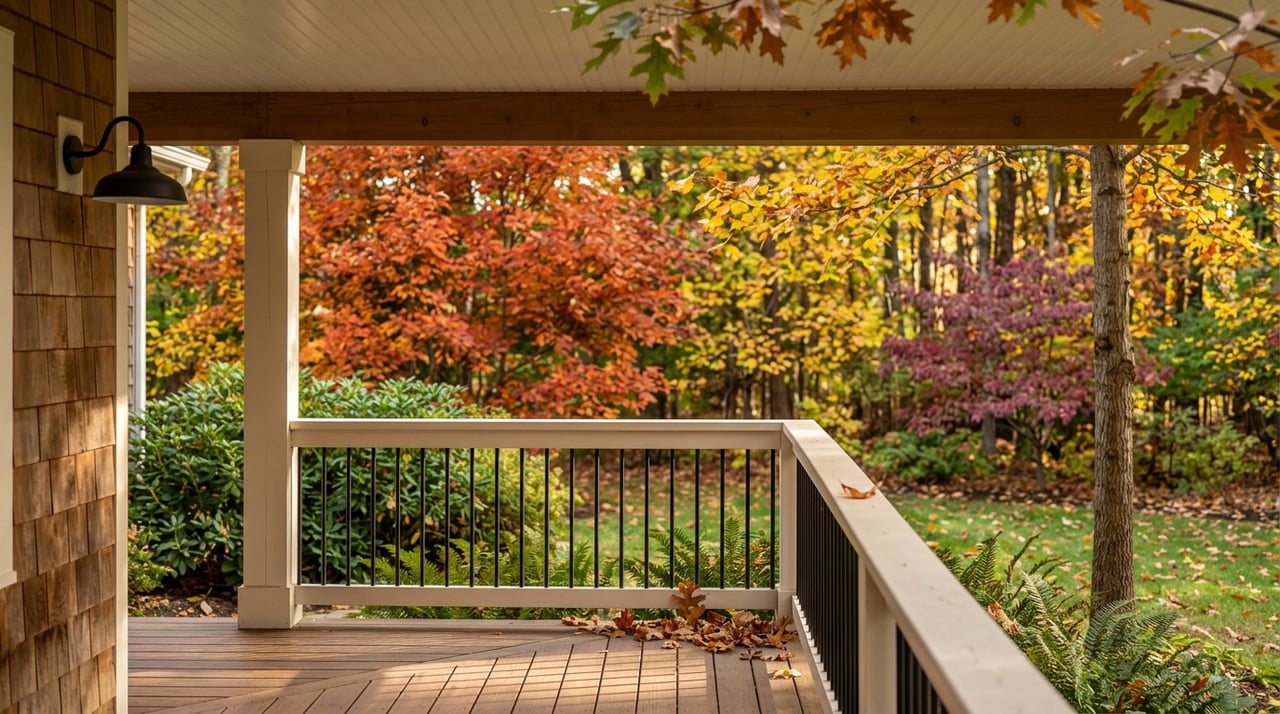
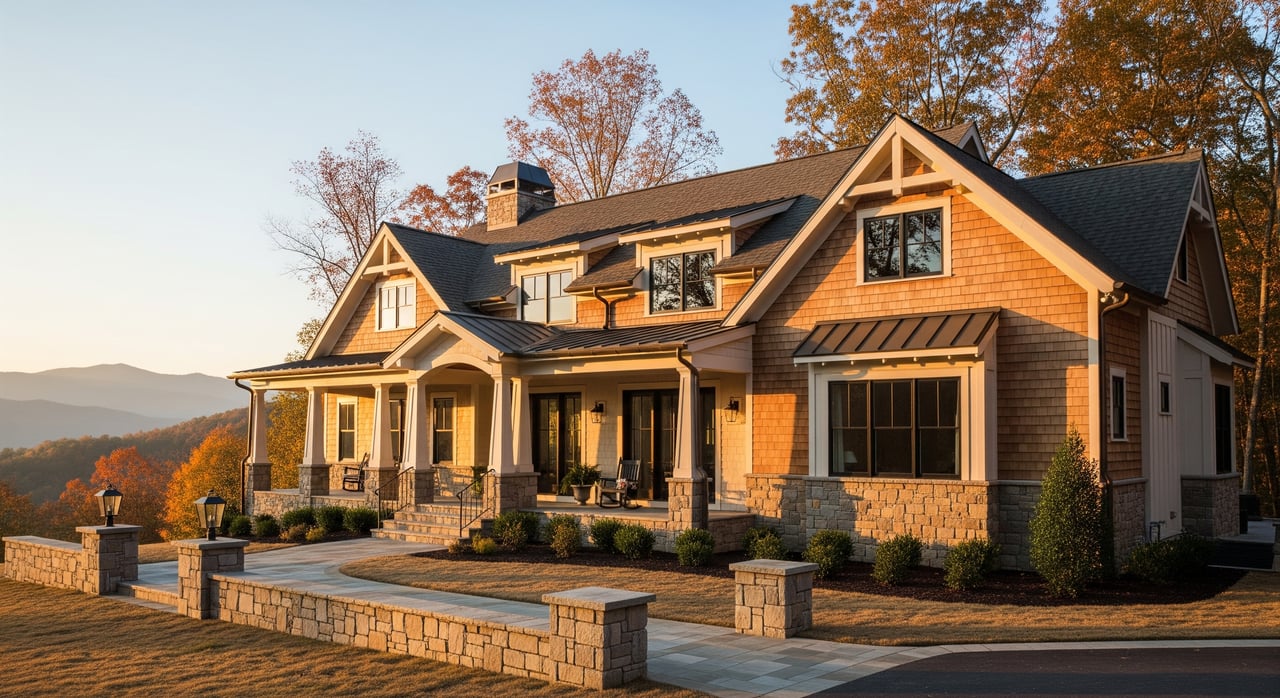
Activity eases from the summer peak, but September and early October can be productive. Autumn color can elevate your photography and in-person showings. Homes priced competitively still perform well, especially if they help buyers settle before the holidays. Keep leaves tidy and lighting warm to make a welcoming first impression.
Winter strategy
November through February usually sees fewer buyers and fewer listings. That means less competition, though showings may be slower. A realistic price and standout digital presentation are essential. Highlight cozy interiors and efficient systems, and be ready for longer timelines.
How buyers move and search
Who buys here
Weaverville attracts a mix of lifestyles. You’ll see families who value a small-town feel and proximity to Asheville jobs, retirees and downsizers, and remote or knowledge workers seeking mountain living. Second-home and investment buyers show up too, though they are a smaller share.
Online search and weekends
Buyer search activity tends to peak in spring, often months before closing. Listings that go live on Thursday or Friday usually capture the best weekend traffic. Pair that timing with quality photos, clear floor plans, and concise property info. Good digital presentation is critical in every season.
Mortgage rates and timing
Rate shifts can expand or shrink the buyer pool at any time of year. When rates dip, demand can spike quickly. When they rise, showings often slow. Keep an eye on rate trends as you pick your list window and finalize pricing.
Choose your listing window
Use these quick guidelines to align your goals with the market:
- If you want maximum buyer competition: Aim for spring or early summer. Prepare early so you hit the market polished and ready.
- If you need to align with the school calendar: List in late winter or spring to close by early summer.
- If you value strong curb appeal: Spring and early summer deliver the best landscaping and light; early fall can be a close second.
- If speed matters less than standing out: Winter can work due to lower competition. Price with care and lean into online presentation.
- If you expect a unique buyer pool: Second-home and retirement buyers can be less season-driven. Focus on turnkey presentation and flexible showing options year-round.
Your 3 to 12 month prep plan
A thoughtful prep timeline reduces stress and sets you up to launch with confidence. As a planning baseline, allow 30 to 60 days on market for a well-priced home in an active season, then add time for closing. Adjust for your property’s condition, uniqueness, and the season.
Planning for a spring listing
- 9 to 12 months out:
- Gather key documents like surveys, HOA rules, and permits.
- Line up contractors for any large projects such as roofing or HVAC.
- 4 to 6 months out:
- Complete major repairs and systems work to avoid last-minute delays.
- Schedule landscaping upgrades for late winter to early spring.
- 6 to 8 weeks out:
- Deep clean, declutter, and craft a staging plan.
- Consider a pre-listing inspection to reduce surprises.
- 2 to 3 weeks out:
- Finalize staging, professional photos, and floor plans.
- Meet with your agent to set pricing and prepare disclosures.
- Listing week:
- Go live Thursday or early Friday to capture weekend traffic.
- Host targeted open houses and coordinate showings.
Planning for an early summer listing
- 6 to 9 months out:
- Mirror the spring prep, with outdoor projects completed by mid-spring.
- 6 to 8 weeks out:
- Stage to showcase outdoor living, shade, and airflow for summer comfort.
Planning for a fall listing
- 6 to 9 months out:
- Wrap exterior maintenance in late summer, including trimming and pressure washing.
- 6 to 8 weeks out:
- Lean into fall curb appeal with fresh mulch and seasonal plantings.
- Consider golden-hour photos to capture autumn color.
Planning for a winter listing
- 9 to 12 months out:
- Prioritize essential repairs; defer noncritical outdoor renovations until spring.
- 4 to 8 weeks out:
- Focus on interior updates like paint, lighting, and HVAC service.
- Plan bright, warm photography and keep walkways clear.
Universal 30 to 14 day checklist
- Review recent comparable sales and finalize pricing with your agent.
- Book professional photos, a virtual tour, and a floor plan.
- Prepare disclosures, utility averages, and a features list.
- Stage rooms and neutralize decor; remove personal items.
- Consider a termite inspection or pre-listing inspection if helpful.
Final week checklist
- Tidy landscaping, replace bulbs, touch up paint, and do a final deep clean.
- Set thermostats for comfortable showings.
- Stage decks and porches with inviting furniture.
- Prepare a simple property info packet for visitors.
Pricing, marketing, and negotiation
- Spring pricing: With active buyers and often limited inventory, competitive pricing can generate multiple offers. Build a strategy that balances ambition with data.
- Summer pricing: Similar energy to spring, especially for family-friendly homes. Keep timelines tight if you want to close before the school year.
- Fall pricing: Maintain a competitive list price and leverage early fall momentum. Quality presentation and realistic expectations win here.
- Winter pricing: Be pragmatic. Attractive, accurately priced homes can still achieve fair value, though timelines may be longer.
Marketing and timing tips:
- Go live late week to maximize weekend eyeballs.
- Use professional photography and virtual tours in every season.
- Schedule open houses during high-traffic weekends, especially in spring and summer.
- Highlight local strengths like proximity to Asheville, access to trails, and the conveniences of downtown Weaverville.
Negotiation notes:
- In high-demand months, you can often set tighter contingencies and shorter closing timelines if they fit your plans.
- In slower months, expect more negotiation on price, timelines, and possible concessions.
Seasonal staging and curb appeal
- Spring and summer: Fresh mulch, trimmed trees, and healthy lawns. Stage decks, porches, and any screened spaces. Keep pollen at bay on exterior surfaces.
- Fall: Manage leaves, add simple seasonal planters, and brighten interiors with warm textiles and lighting.
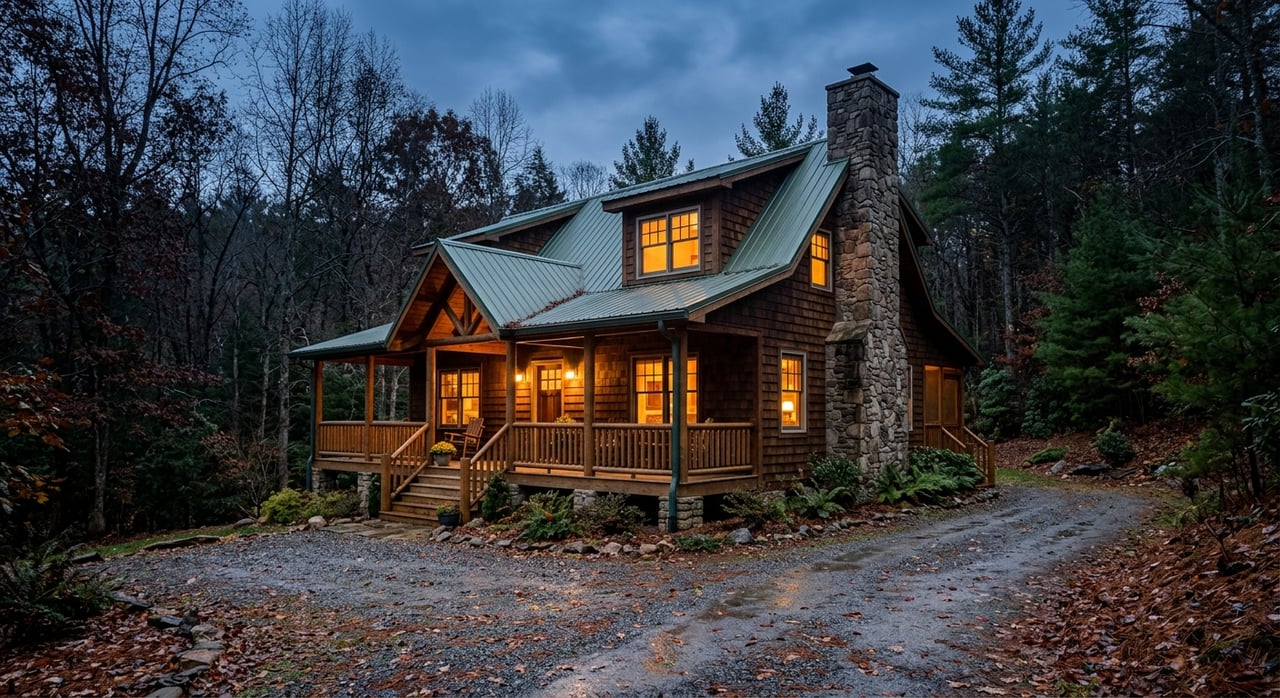
- Winter: Clear walkways, add soft lighting, and emphasize efficient heating and cozy spaces. Keep blinds open and lights on for showings.
Avoid these timing mistakes
- Waiting for a perfect month and missing a good rate window or low-inventory pocket.
- Listing on a low-traffic day instead of late week when buyers plan tours.
- Skipping professional photos, floor plans, or staging in slower seasons.
- Overpricing in winter and accumulating days on market.
- Underestimating repair timelines that push you past your ideal season.
Next steps
Your best time to sell in Weaverville depends on your goals, your home’s condition, and what the market is doing right now. A clear timeline, season-aware pricing, and strong digital presentation can set you up for success in any season. If you want a tailored plan with local data, staging guidance, and premium marketing, we’re here to help.
Reach out to Jarett Gates & Caroline Easley to map your ideal listing window and get a step-by-step prep plan.
FAQs
When is the best month to list in Weaverville?
- Spring is typically strongest for buyer activity, with early summer close behind; early fall can also perform well with the right pricing and presentation.
How far in advance should I start preparing to sell?
- Begin major planning 6 to 12 months before your target list date, then finalize staging, photos, and pricing in the last 2 to 6 weeks.
Does selling in winter ever make sense?
- Yes; winter has fewer buyers but also fewer competing listings, so a well-priced home with strong photos can still attract motivated shoppers.
How long will it take my home to sell?
- As a planning baseline, allow 30 to 60 days on market in active seasons, plus time for closing; timelines vary by price point, condition, and season.
What day of the week should I list?
- Thursday or early Friday typically captures the most weekend showings and online attention.
How do mortgage rates affect the best time to sell?
- If rates fall, buyer demand often rises, which can boost showings and offers; rising rates can slow traffic and call for more careful pricing.
What should I highlight about Weaverville in my listing?
- Emphasize proximity to Asheville, access to outdoor recreation, downtown amenities, and practical details like commute options and everyday services.