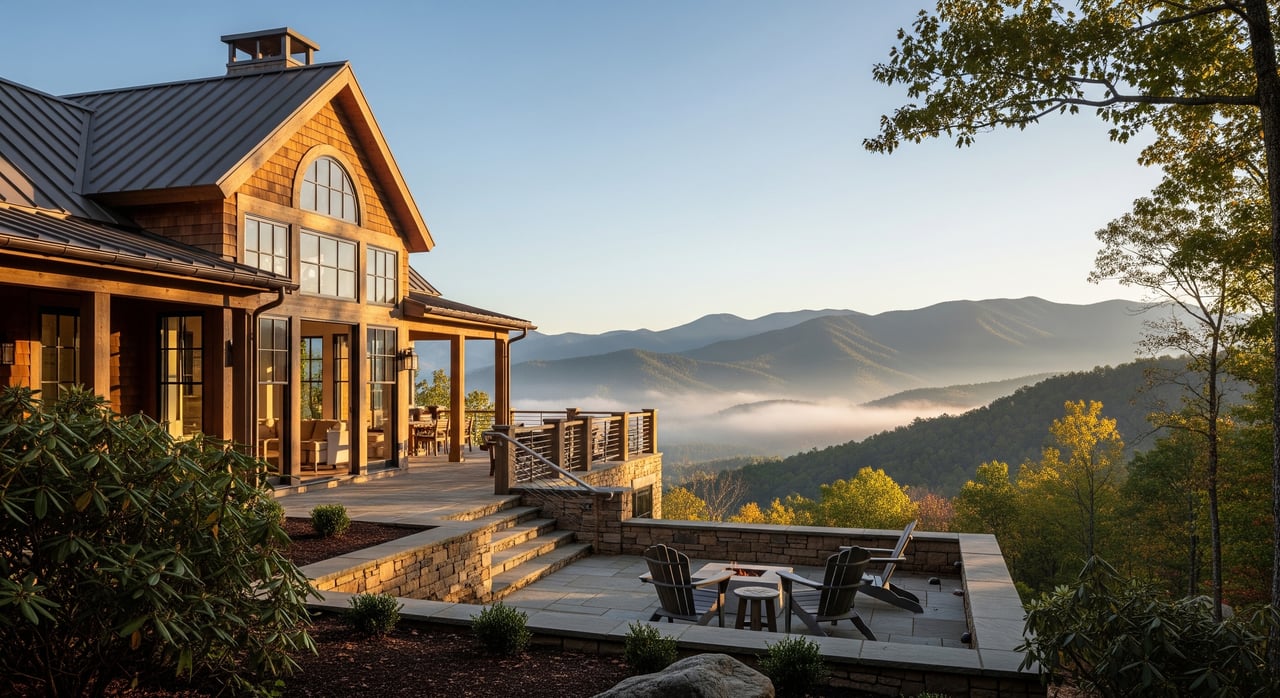
Craving mountain views, a slower pace, and a town where your barista learns your name? Burnsville, NC offers that blend of small-town ease and big outdoor access that draws many to Western North Carolina. If you’re weighing a move, you likely want the full picture: commute realities, housing options, everyday amenities, and what weekends actually look like. This guide walks you through day-to-day life in Burnsville so you can decide if it fits your lifestyle and goals. Let’s dive in.
Where Burnsville fits in WNC
Burnsville is the county seat of Yancey County, set in the high country of Western North Carolina. You’re in a true mountain town, not a suburban extension of a metro. The town center is compact and walkable, with neighborhoods spreading into low-density hillsides and valleys.
You’ll experience four distinct seasons. Summers feel warm but milder than North Carolina’s Piedmont. Winters are cooler, with occasional snow and ice in town and more frequent snow at higher elevations nearby. Roads wind through mountain terrain, and many residents rely on state and U.S. highways for daily driving.
Asheville is about an hour away by car, serving as the region’s cultural and economic hub. Many Burnsville residents work locally or in nearby towns, while some commute to Asheville for specialized jobs, shopping, or medical care.
Downtown rhythm and community
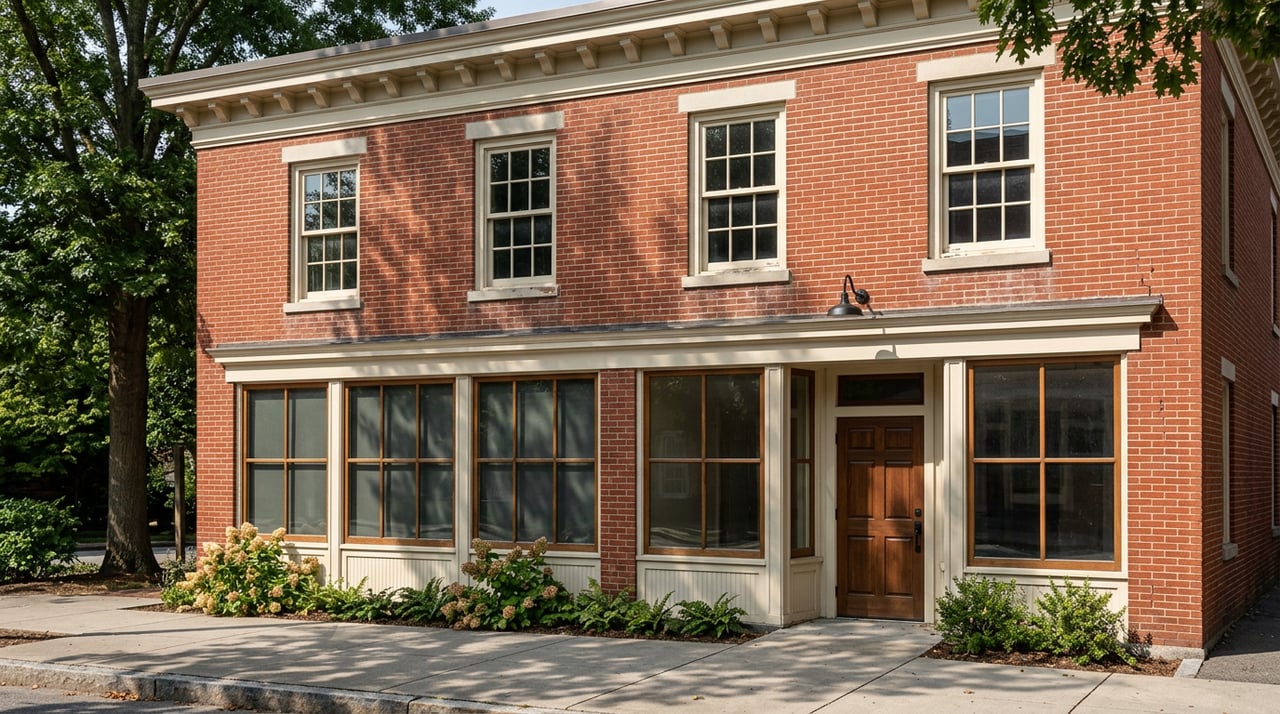
Downtown Burnsville has a classic main-street feel. Expect locally owned spots for coffee, breakfast, and casual dinners, plus galleries, boutiques, a hardware store, and county services. You’ll find what you need for daily errands in town, with larger-format shopping more common in nearby regional centers.
Community life runs on a friendly, small-town cadence. Weekly farmers’ markets, seasonal festivals, and volunteer-led events add steady energy. You’ll see handmade craft and local art woven into everyday spaces. Regional craft institutions and organizations, including Toe River Arts and nearby craft schools, reflect the area’s deep arts heritage and bring workshops, studio tours, and fairs within an easy drive.
As the county seat, Burnsville hosts the courthouse and administrative offices, which anchor local civic life and provide jobs.
Outdoor access you can count on
If you love the outdoors, Burnsville is a standout. Mount Mitchell State Park sits in Yancey County, with Mount Mitchell rising as the highest peak east of the Mississippi River. Residents enjoy hiking, scenic overlooks, picnic areas, and four-season mountain views when conditions allow.
Beyond the park, the North Toe River and nearby tributaries create peaceful corridors for fishing and relaxation. Scenic byways and mountain highways connect you to trailheads, ridgelines, and overlooks across the Black Mountains and Blue Ridge. Popular pastimes include day hiking, trail running, fall foliage drives, birding, and occasional snow and ice recreation at higher elevations.
A few practical notes: trailheads can be busy on fall weekends and peak summer days, weather can shift quickly at elevation, and cell service may be spotty in remote pockets. Plan ahead and check conditions before you go, especially in winter or after heavy rain.
Housing and neighborhood feel
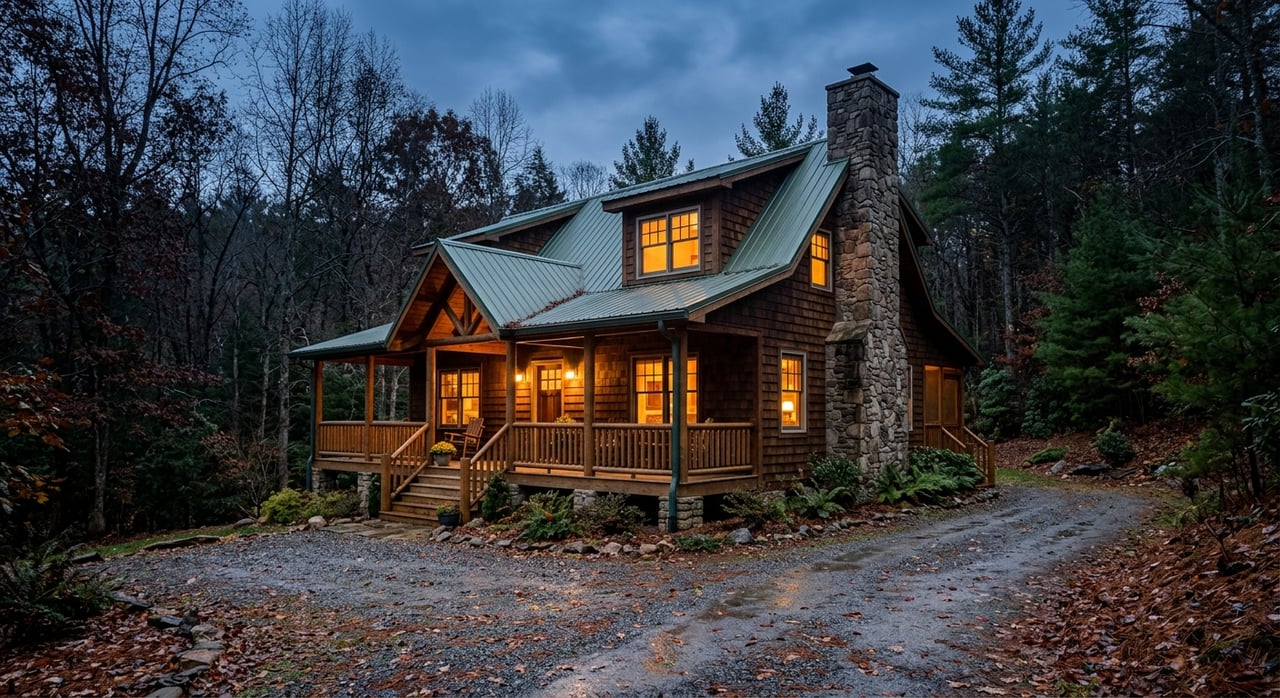
Housing in Burnsville ranges from historic in-town homes and modest bungalows to log cabins, mountain chalets, newer homes in small rural subdivisions, and undeveloped hillside lots. Outside town limits, you’ll commonly see acreage and private settings. Many rural homes rely on private wells and septic systems, while some in-town properties have access to municipal water and sewer.
Buyers often consider Burnsville because it’s generally more affordable than Asheville and other high-demand mountain markets. That said, pricing follows regional trends, and inventory can run tight in smaller towns. You may compete with out-of-area buyers for well-positioned mountain properties.
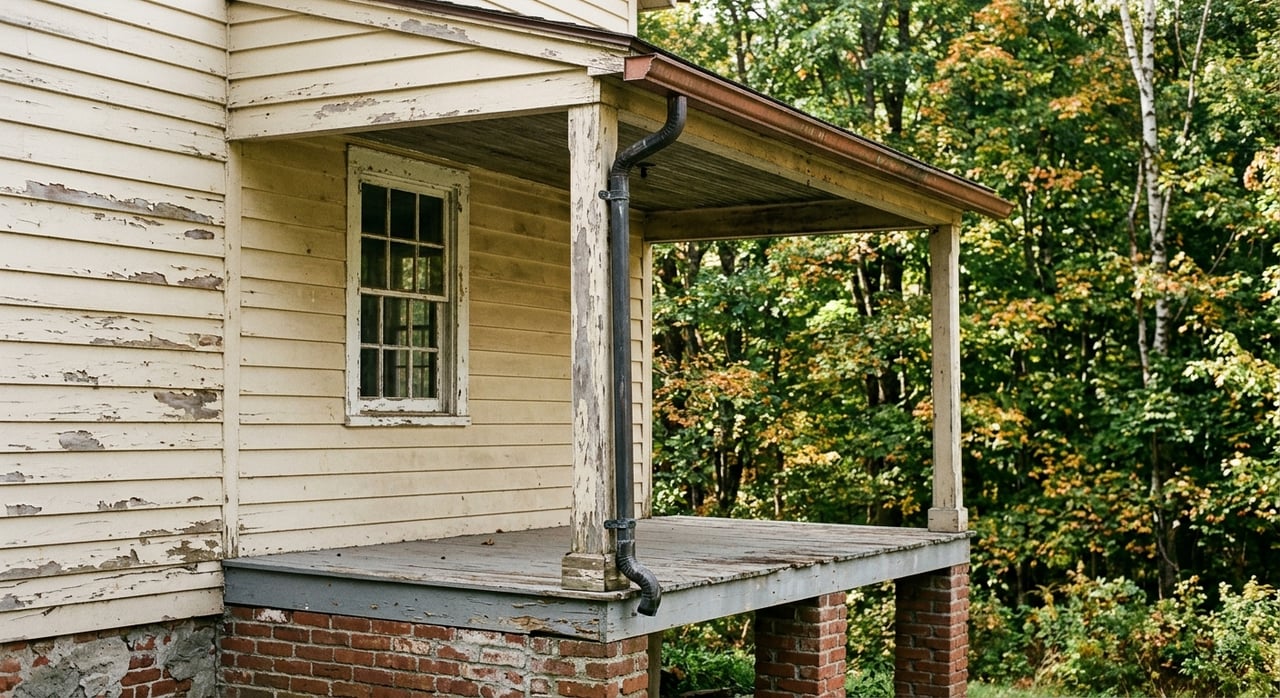
Some older homes may need upgrades, especially those on slopes or with original systems. It’s wise to work with inspectors and contractors who understand mountain properties, from foundation support and drainage to insulation and heating.
What buyers should know
- Utilities: Confirm whether a property connects to town water/sewer or relies on a private well and septic. Budget for tap fees or inspections when applicable.
- Access and driveways: Steep or shared driveways are common. Clarify maintenance responsibilities and evaluate winter drivability.
- Broadband and cell: Internet options vary with terrain. Check providers and speeds for each address, particularly for remote work needs.
- Zoning and building: County planning and any steep-slope or land-use rules can affect additions or new construction. Verify with local permitting before you plan.
- Inspections: Mountain-savvy home inspections, septic and well evaluations, and drainage assessments are key to avoiding surprises.
Buyer checklist before you offer
- Verify water, sewer, or private well and septic details and costs.
- Confirm road status, driveway grade, and maintenance agreements.
- Order a preliminary septic and well evaluation when applicable.
- Review broadband options and signal strength at the property.
- Assess slope, drainage, and potential flood or slide considerations.
- Check county planning and permitting for your intended use.
Everyday amenities and services
You can handle most day-to-day needs in town. Local grocers, hardware, pharmacies, cafes, and service businesses cover the basics. For big-box or specialty shopping, plan short trips to larger regional towns.
Medical care is available through local clinics and providers for routine needs. For hospital-level or specialized services, many residents travel to Asheville or other regional centers. If regular specialty care is a priority, factor drive times into your planning.
Yancey County Schools serve the area with elementary, middle, and high school options. For adult learning and workforce training, regional community colleges provide accessible programs across Western North Carolina.
On cost of living, housing values have historically been lower than in the state’s urban areas. Your overall costs will depend on property taxes, heating and fuel choices, commuting, and maintenance, especially for mountain driveways and roads.
Commuting, work, and connectivity
Local employment includes county government and schools, health care, small businesses, trades, and tourism. Some residents commute to Asheville or other towns for work. Drive times can vary with weather, road conditions, and seasonal traffic on mountain highways.
Broadband is stronger near town and more variable in remote areas. If you work from home, verify providers and service levels for each specific address. Many remote workers find success by choosing properties with reliable line-of-sight or wired options.
Who loves living here
Burnsville resonates with people who value outdoor access, a calmer pace, and community roots. If you enjoy small-town rituals, local art and craft culture, and quick escapes to high peaks and rivers, it’s a compelling fit. The trade-off is fewer big-city conveniences and longer trips for specialty care or larger shopping.
Retirees often appreciate the slower tempo and scenic surroundings. Households seeking community involvement, seasonal festivals, and mountain recreation will find plenty to do. If you need a fast commute to an urban core or dense nightlife, you may prefer to live closer to Asheville.
A day in Burnsville
Picture a Saturday morning walking to a café on Main Street for coffee and a biscuit. You browse a gallery featuring regional craft, pick up produce at the farmers’ market, and chat with neighbors about an upcoming festival. By lunchtime, you’re driving a winding mountain road toward a trailhead. An afternoon hike brings cool ridge breezes and long-range views. Back in town, you grab dinner at a local spot and close the day on the porch as the mountain air cools. That’s a common rhythm here.
Ready to explore homes in Burnsville?
Whether you’re looking for a walkable in-town bungalow, a wooded cabin with a view, or land to build a retreat, you’ll benefit from local guidance tailored to mountain properties. If you’re relocating or buying a second home, we can coordinate video tours, inspections, and a smooth closing timeline to fit your schedule.
Reach out to Jarett Gates & Caroline Easley to start a conversation about your move, talk through neighborhoods and property types, and get a clear plan for your search.
FAQs
How far is Burnsville from Asheville and what is the commute like?
- It’s about an hour by car on mountain highways, with seasonal weather and road conditions affecting travel times.
What kinds of homes are available in Burnsville?
- You’ll see historic in-town houses, modest bungalows, cabins and log-style homes, newer rural subdivisions, and acreage tracts, with both municipal and private utility setups depending on location.
How does housing affordability compare to Asheville?
- Burnsville is generally more affordable than Asheville, though regional demand and limited inventory can still influence pricing and competition.
What is the outdoor scene like for residents?
- Residents enjoy quick access to hiking and scenic drives, Mount Mitchell State Park for high-elevation views, river corridors for fishing, and four-season mountain experiences when conditions allow.
What should buyers know about utilities and access?
- Many rural properties rely on private wells and septic, driveways can be steep or shared, and broadband varies by address, so verify details and maintenance responsibilities before you buy.
Are there schools and basic services in town?
- Yancey County Schools serve the area, everyday shopping is available in town, and residents typically travel to larger regional centers for hospital-level medical care or specialty shopping.